The High Coast
📍 Gulf of Bothnia, northeastern Sweden
A rugged Baltic coast of forested hills, cliffs, and islands that is still visibly rising out of the sea — the site of the greatest land uplift measured anywhere on Earth.
What makes it marvelous
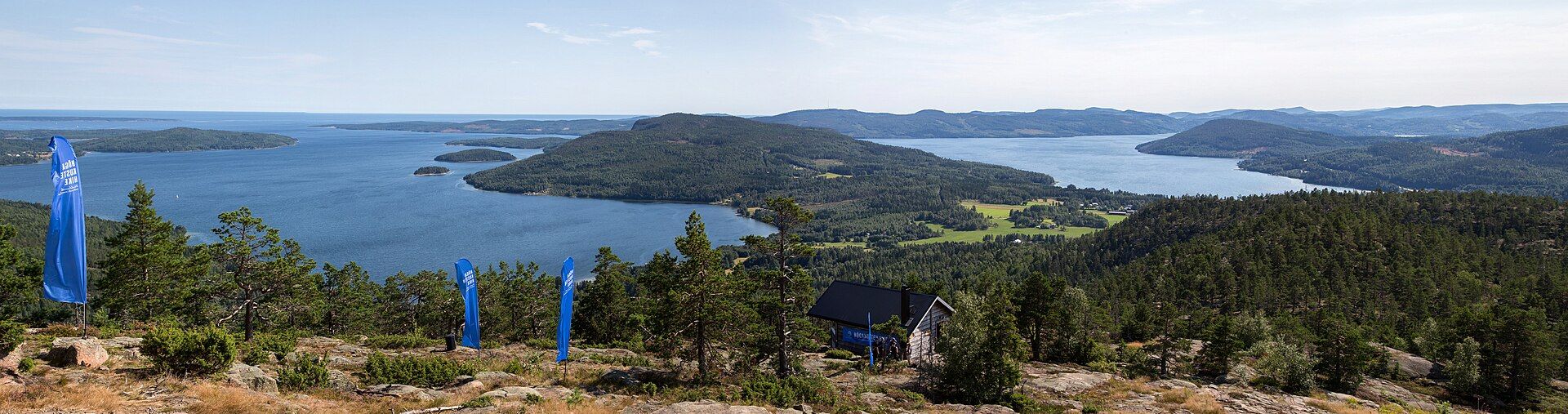
The High Coast is a living record of the Ice Age. When the vast glaciers that once pressed down on Scandinavia melted, the freed land began to spring slowly back up, and here it has risen further than anywhere else measured on the planet — around 800 metres since the ice retreated, and still rising a few millimetres a year. The result is a dramatic coast of steep forested hills, red-granite cliffs, and an archipelago of islands, with old shorelines stranded high above today's sea. It is a UNESCO World Heritage Site precisely for showing this process.
Why visit
Hiking the hills of Skuleskogen National Park to viewpoints over the island-strewn Gulf of Bothnia, or crossing the vast High Coast Bridge, reveals a coast unlike the rest of the Baltic — high, wild, and wooded. Boat trips reach islands like Högbonden and Ulvön, old fishing villages cling to the shore, and the whole landscape carries the strange knowledge that it is quietly lifting out of the water.
More views of The High Coast
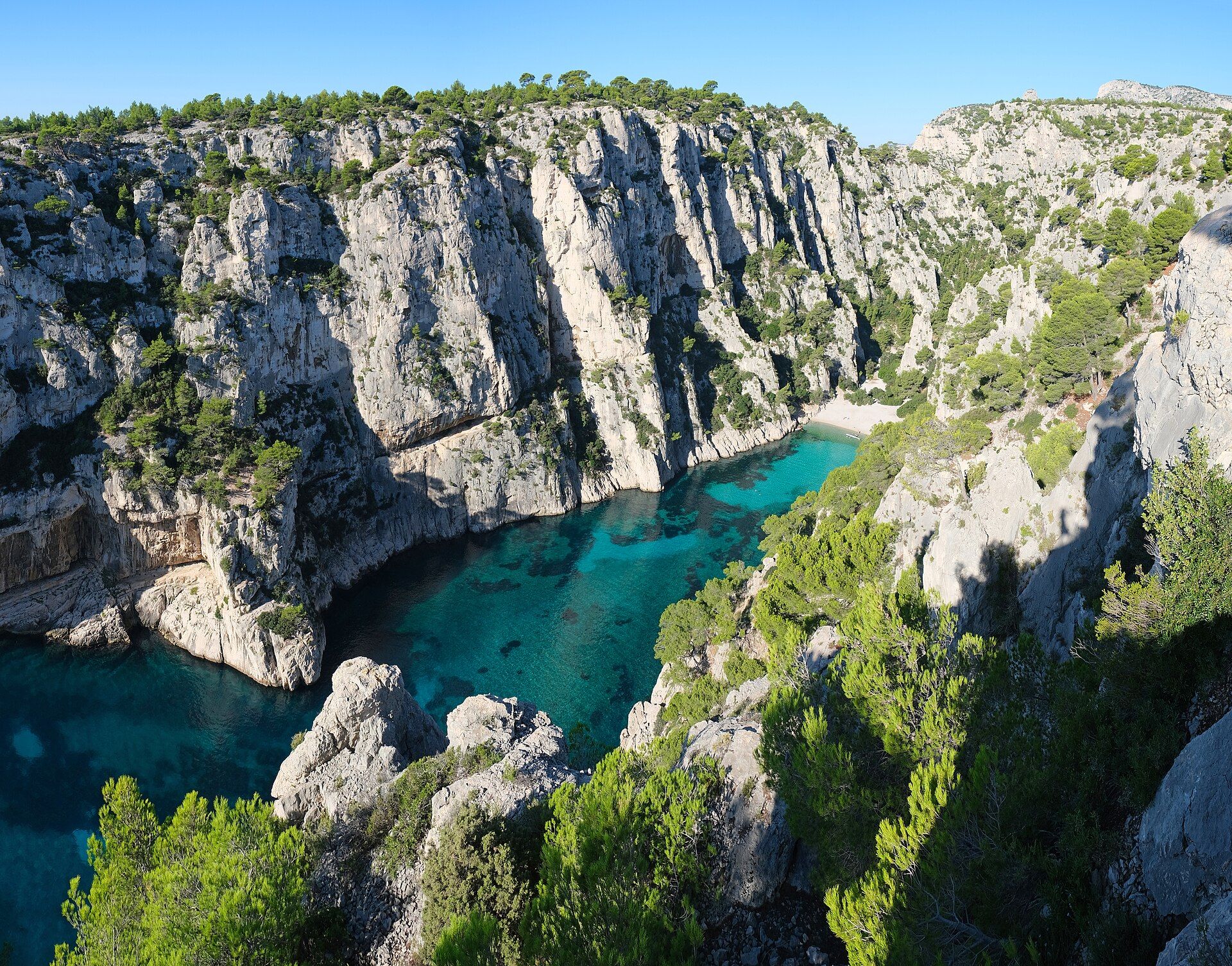
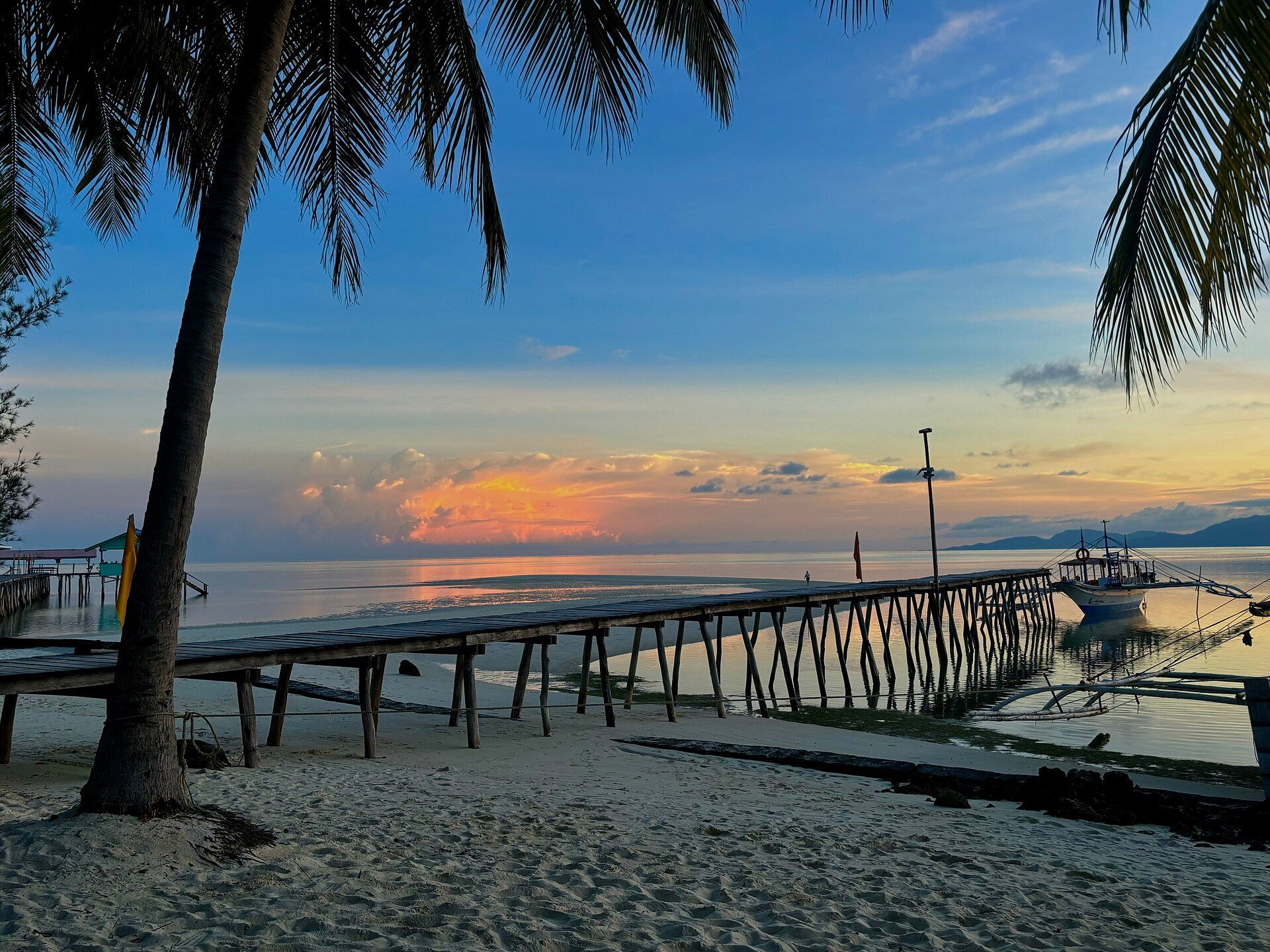
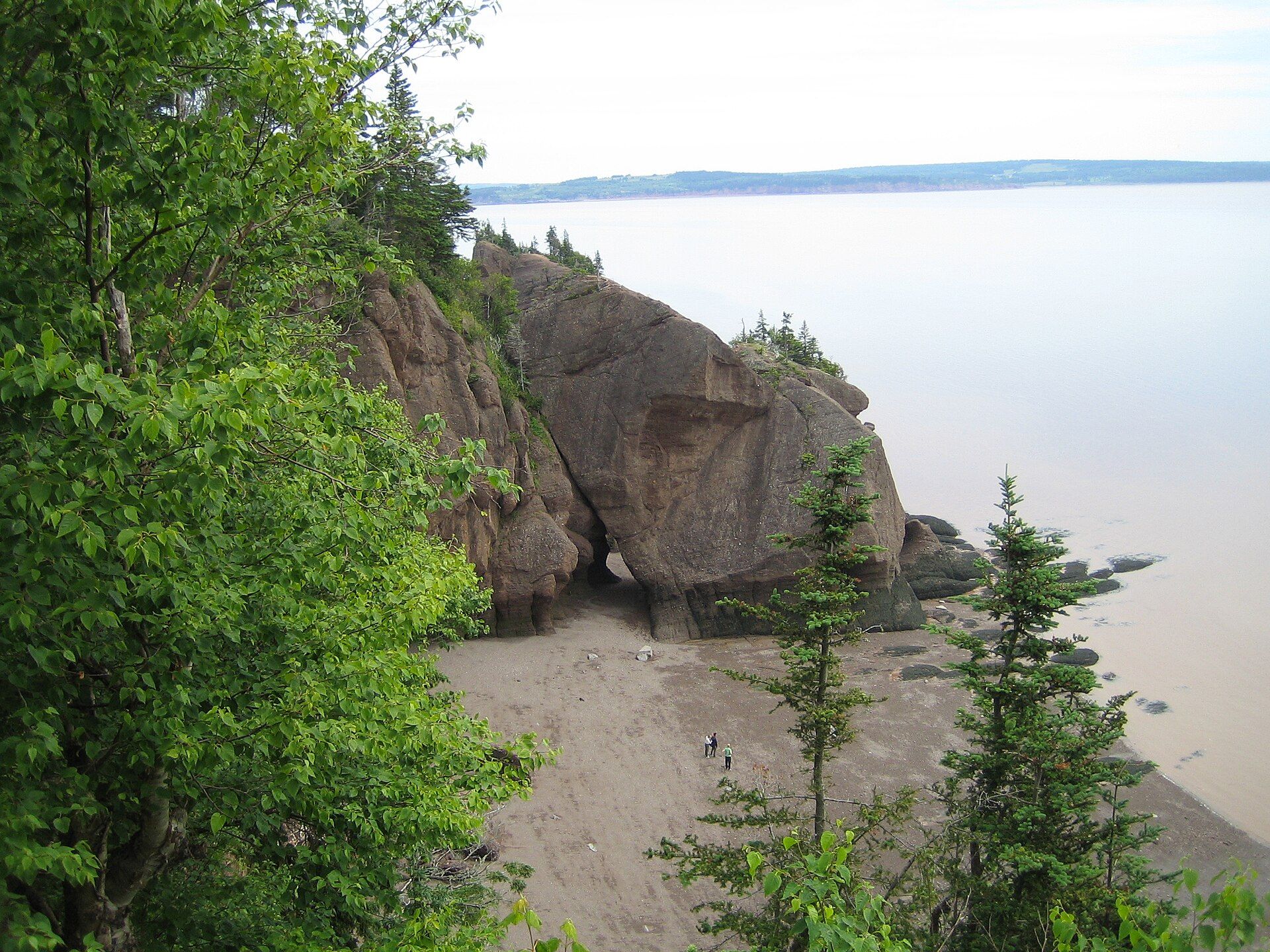
Additional photographs of the actual site — each freely licensed, with its photographer and licence credited.
What to know before you go
🗓️ Best time
Late spring to early autumn (roughly May–September) for hiking, boat trips, and the long northern days; winter is cold, dark, and quiet.
🧭 Getting there & access
Along the coast of Västernorrland between the towns of Härnösand and Örnsköldsvik, reached by road or the nearby airports and train stations. Skuleskogen National Park and the coastal villages are the main access points; boats serve the islands in season.
Good to know
- Hike into Skuleskogen for the classic viewpoints over the archipelago.
- Take a boat to an island like Högbonden or Ulvön for the full coastal experience.
- Try the local fermented herring if you dare — it's a regional institution.
Plan your visit
Moderate🧭 Getting there
From Sundsvall (SDL) or Höga Kusten Airport, northeastern Sweden
- Fly to Sundsvall or the High Coast (Höga Kusten) airport, or take the train
- Road along the coast to Skuleskogen or a gateway town — under an hour
- Trailheads and island boat piers along the shore
- Total travel
- Most of a day from Stockholm
- Time at site
- A day for a taste; 2–3 days to hike and reach the islands
- Access
- The national park is free and open. Island boats are seasonal and ticketed. Trails are well marked but hilly; the coast is remote, so plan supplies.
🎒 What to bring & consider
- Sturdy walking shoes for steep, rooty forest trails
- Layers and rain gear for changeable Baltic weather
- Insect repellent in summer, and water for the hills
- A ferry timetable if you plan to reach the islands
👁️ What to expect
- Crowds
- Quiet by international standards; busier in the Swedish summer holidays, but easy to find solitude.
- Conditions
- Hilly forest hiking and boat trips on sometimes-choppy Baltic water; cool even in summer.
- Facilities
- Towns and villages with services around the edges; simple huts and cabins in the park and on islands.
- The view
- The archipelago from a Skuleskogen hilltop, or the long High Coast Bridge over the fjord-like inlet. Long summer light is the best window.
Times and requirements are approximate and change with season, weather, and local rules — confirm permits, fares, and schedules with operators before you travel.
Natural riches of the area
- The greatest post-glacial land uplift measured on Earth
- Forested hills, red-granite cliffs, and a Baltic archipelago
- Stranded ancient shorelines high above the present sea
- Coastal forest, seabirds, and old fishing grounds
Local food
- Surströmming
- Fermented Baltic herring — pungent, traditional, and a High Coast specialty.
- Fresh Baltic herring
- Grilled or pickled herring from the cold northern waters.
The High Coast is Sweden’s most dramatic stretch of Baltic shore, and its story is written in the land itself. During the last Ice Age, glaciers kilometres thick pressed Scandinavia down into the Earth; when they melted, the freed land began to rebound, and nowhere on the planet has that rise been greater than here — roughly 800 metres since the ice let go, and still lifting today. The coast that resulted is high and wild: forested hills and red-granite cliffs dropping to an archipelago of islands, with the faint terraces of old sea levels stranded far above the present water.
It is a landscape made for walking and boating. Trails climb through the ancient forest of Skuleskogen National Park to viewpoints over a sea full of islands, ferries cross to old fishing communities like Ulvön and the lighthouse island of Högbonden, and the vast High Coast Bridge spans a fjord-like inlet. A UNESCO World Heritage Site, it is protected not just for its beauty but for what it teaches — a coast caught in the act of rising out of the sea.
The High Coast: common questions
How do you get to The High Coast?
From Sundsvall (SDL) or Höga Kusten Airport, northeastern Sweden: Fly to Sundsvall or the High Coast (Höga Kusten) airport, or take the train; Road along the coast to Skuleskogen or a gateway town — under an hour; Trailheads and island boat piers along the shore. Allow Most of a day from Stockholm.
When is the best time to visit The High Coast?
Late spring to early autumn (roughly May–September) for hiking, boat trips, and the long northern days; winter is cold, dark, and quiet.
How long should you spend at The High Coast?
A day for a taste; 2–3 days to hike and reach the islands. Most of a day from Stockholm of travel from Sundsvall (SDL) or Höga Kusten Airport, northeastern Sweden.
What should you bring to The High Coast?
Sturdy walking shoes for steep, rooty forest trails Layers and rain gear for changeable Baltic weather Insect repellent in summer, and water for the hills A ferry timetable if you plan to reach the islands
Do you need a permit or guide for The High Coast?
The national park is free and open. Island boats are seasonal and ticketed. Trails are well marked but hilly; the coast is remote, so plan supplies.
Is The High Coast crowded, and what are conditions like?
Quiet by international standards; busier in the Swedish summer holidays, but easy to find solitude. Hilly forest hiking and boat trips on sometimes-choppy Baltic water; cool even in summer. Facilities: towns and villages with services around the edges; simple huts and cabins in the park and on islands.
Added
More wonders to explore