The Maldives Atolls
📍 Indian Ocean, southwest of Sri Lanka
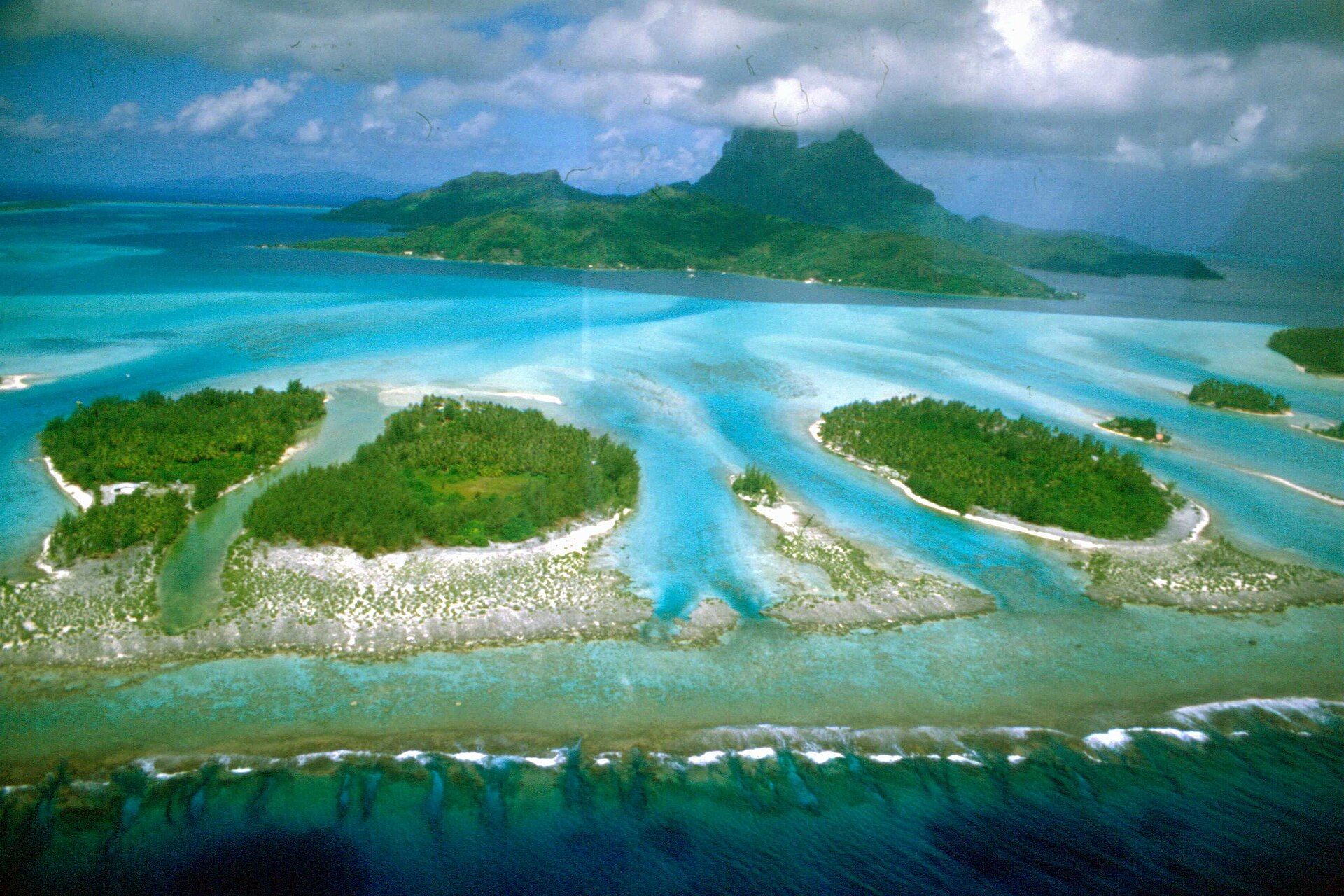
A double chain of coral atolls scattered across the Indian Ocean — nearly 1,200 low-lying islands ringed by turquoise lagoons and vibrant reefs, and the lowest-lying nation on Earth.
What makes it marvelous
The Maldives are built entirely of coral: some 26 ring-shaped atolls, made of nearly 1,200 tiny islands, formed as reefs grew upward around slowly sinking volcanic foundations over millions of years — the classic atoll process first explained by Darwin. With an average ground level barely a metre or so above the sea, it is the lowest and flattest country in the world, which also makes it one of the most exposed to rising seas. Its warm, clear lagoons and reefs teem with life, from reef sharks and rays to manta rays and whale sharks.
Why visit
The Maldives are a byword for tropical paradise — powder-white sand, water in every shade of blue, and some of the most accessible world-class snorkelling and diving anywhere, with manta rays and whale sharks among the highlights. They are also a front-line reminder of what rising seas mean for low island nations.
What to know before you go
🗓️ Best time
The dry northeast-monsoon season (roughly November–April) for calm, clear water and sunshine; manta and whale-shark encounters vary seasonally by atoll.
🧭 Getting there & access
By air to Malé, then seaplane or speedboat to island resorts, guesthouses, or liveaboards spread across the atolls.
Good to know
- Choose reef-safe sunscreen and eco-minded resorts and operators.
- Never touch or chase mantas, sharks, or turtles — keep a respectful distance.
- Local-island guesthouses offer a lower-impact, more cultural alternative to resorts.
Plan your visit
Easy🧭 Getting there
From Malé, Maldives
- Fly → Malé (MLE), the international gateway in the centre of the atolls
- Transfer to your island by speedboat or domestic-plus-seaplane — 20 minutes to a few hours
- Or take the public ferry to a local island for a lower-cost stay
- Total travel
- A transfer of anything from 20 minutes to half a day beyond Malé
- Time at site
- A week is the usual stay
- Access
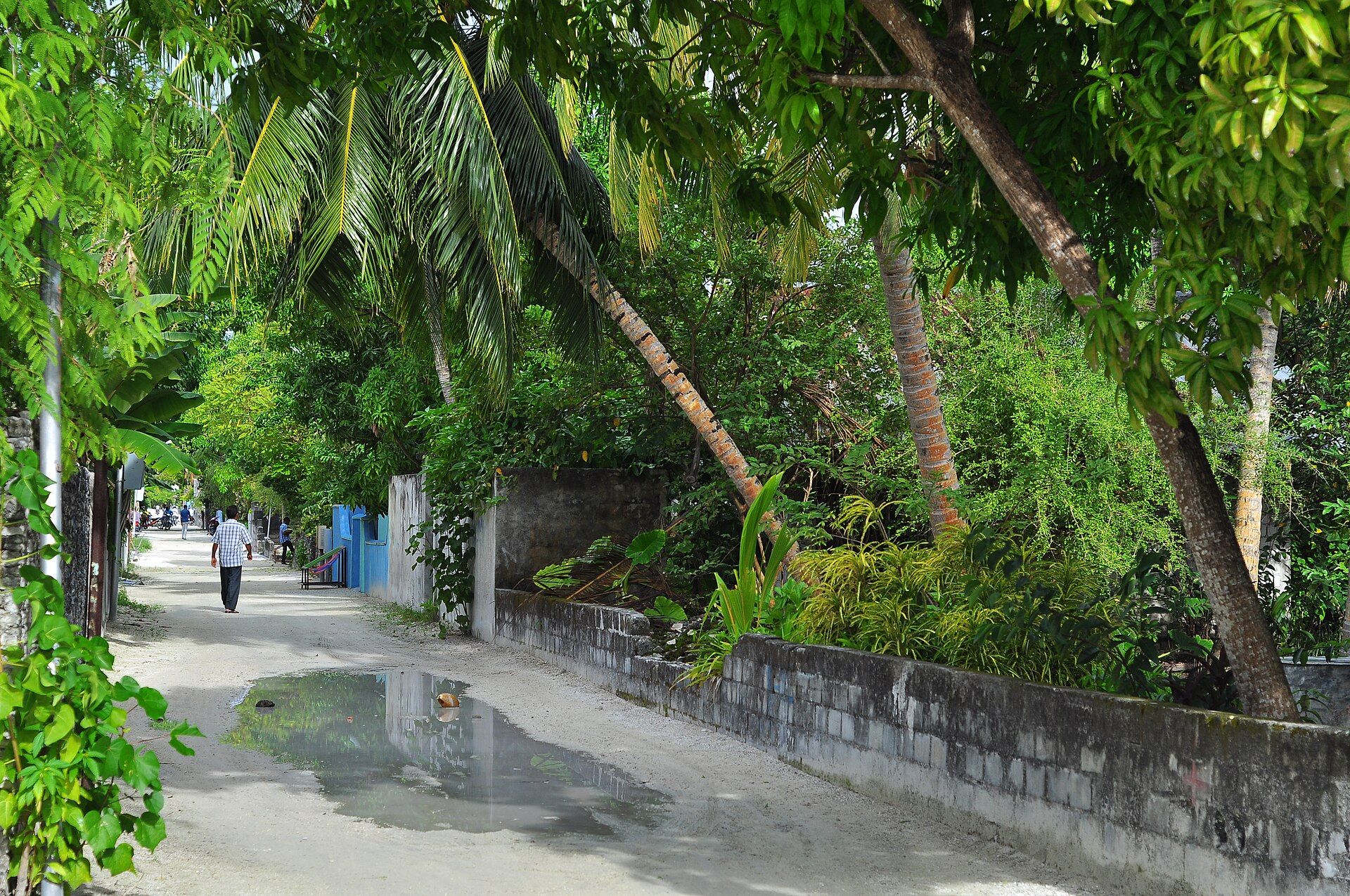
- The Maldives splits into two very different trips. Resort islands are private, one resort to an island, reached by speedboat or seaplane, where anything goes on the beach; local islands, reached by public ferry, are inhabited Maldivian communities where — this being a Muslim country — modest dress is expected and swimwear is confined to marked "bikini beaches", and alcohol is not sold. Book the transfer with the room, because a seaplane connection can double a travel day. The dry north-east monsoon, roughly December to April, is the calm, clear window; the other half of the year is wetter.
🎒 What to bring & consider
- A transfer booked with your stay, since seaplane and speedboat links run to their own schedules and set the shape of the arrival day
- An understanding of local-island etiquette — modest dress away from the marked tourist beaches, and no alcohol — if you skip the resorts
- Reef-safe sunscreen and a rash top for long hours in the water over easily damaged coral
- Awareness of the seasons, with the calmest, clearest water in the dry north-east monsoon
- Everything you need brought with you to a resort island, where the shop is the resort's and priced accordingly
👁️ What to expect
- Crowds
- A resort island is as busy as its guest list and no more. Local islands feel like the villages they are.
- Conditions
- Hot, humid and bright, with warm, clear water. Wetter and windier in the south-west monsoon.
- Facilities
- Complete on resort islands. More basic but authentic on the ferry-served local islands.
- The view
- The overwater villas or a sandbank against impossibly graded blue water from the seaplane on the way in — the aerial approach is itself one of the best views you will get. Underwater, the reef life on a house-reef snorkel.
Times and requirements are approximate and change with season, weather, and local rules — confirm permits, fares, and schedules with operators before you travel.
Natural riches of the area
- Coral atolls and reefs (a living, upward-growing structure)
- Turquoise lagoons and white coral-sand beaches
- Manta rays, whale sharks, reef sharks, and turtles
- Fisheries (notably pole-and-line tuna) central to the economy
Local food
- Mas huni
- Shredded smoked tuna with coconut and chilli, a Maldivian breakfast staple.
- Garudhiya
- A clear tuna broth eaten with rice, lime, and chilli.
- Coconut & reef fish
- Coconut and freshly caught fish underpin nearly every dish.
The Maldives are made entirely of coral. Nearly 1,200 low islands, gathered into 26 ring-shaped atolls, sit scattered across the Indian Ocean — each atoll a reef that grew slowly upward as the volcanic island it once fringed sank beneath it, the very process Charles Darwin worked out in the nineteenth century. The result is a nation of turquoise lagoons and white sand barely a metre above the waves: the lowest, flattest country on the planet, and one of the most beautiful.
That low elevation is also the Maldives’ vulnerability, making it a front-line witness to rising seas. Beneath the surface, though, the reefs are alive with colour — reef sharks and rays over the coral, and, in the right places and seasons, manta rays and whale sharks gliding through the blue. It is at once a byword for tropical paradise and a reminder of how much the world’s low islands have to lose.
The Maldives Atolls: common questions
How do you get to The Maldives Atolls?
From Malé, Maldives: Fly → Malé (MLE), the international gateway in the centre of the atolls; Transfer to your island by speedboat or domestic-plus-seaplane — 20 minutes to a few hours; Or take the public ferry to a local island for a lower-cost stay. Allow a transfer of anything from 20 minutes to half a day beyond malé.
When is the best time to visit The Maldives Atolls?
The dry northeast-monsoon season (roughly November–April) for calm, clear water and sunshine; manta and whale-shark encounters vary seasonally by atoll.
How long should you spend at The Maldives Atolls?
A week is the usual stay. A transfer of anything from 20 minutes to half a day beyond Malé of travel from Malé, Maldives.
What should you bring to The Maldives Atolls?
A transfer booked with your stay, since seaplane and speedboat links run to their own schedules and set the shape of the arrival day An understanding of local-island etiquette — modest dress away from the marked tourist beaches, and no alcohol — if you skip the resorts Reef-safe sunscreen and a rash top for long hours in the water over easily damaged coral Awareness of the seasons, with the calmest, clearest water in the dry north-east monsoon Everything you need brought with you to a resort island, where the shop is the resort's and priced accordingly
Do you need a permit or guide for The Maldives Atolls?
The Maldives splits into two very different trips. Resort islands are private, one resort to an island, reached by speedboat or seaplane, where anything goes on the beach; local islands, reached by public ferry, are inhabited Maldivian communities where — this being a Muslim country — modest dress is expected and swimwear is confined to marked "bikini beaches", and alcohol is not sold. Book the transfer with the room, because a seaplane connection can double a travel day. The dry north-east monsoon, roughly December to April, is the calm, clear window; the other half of the year is wetter.
Is The Maldives Atolls crowded, and what are conditions like?
A resort island is as busy as its guest list and no more. Local islands feel like the villages they are. Hot, humid and bright, with warm, clear water. Wetter and windier in the south-west monsoon. Facilities: complete on resort islands. More basic but authentic on the ferry-served local islands.
Added Updated
More wonders to explore