The Sundarbans
📍 Ganges–Brahmaputra Delta, Bangladesh (and India)
The largest mangrove forest on Earth — a vast, tidal labyrinth of channels and salt-tolerant trees at the mouth of the Ganges, and the last stronghold of the swimming Bengal tiger.
What makes it marvelous
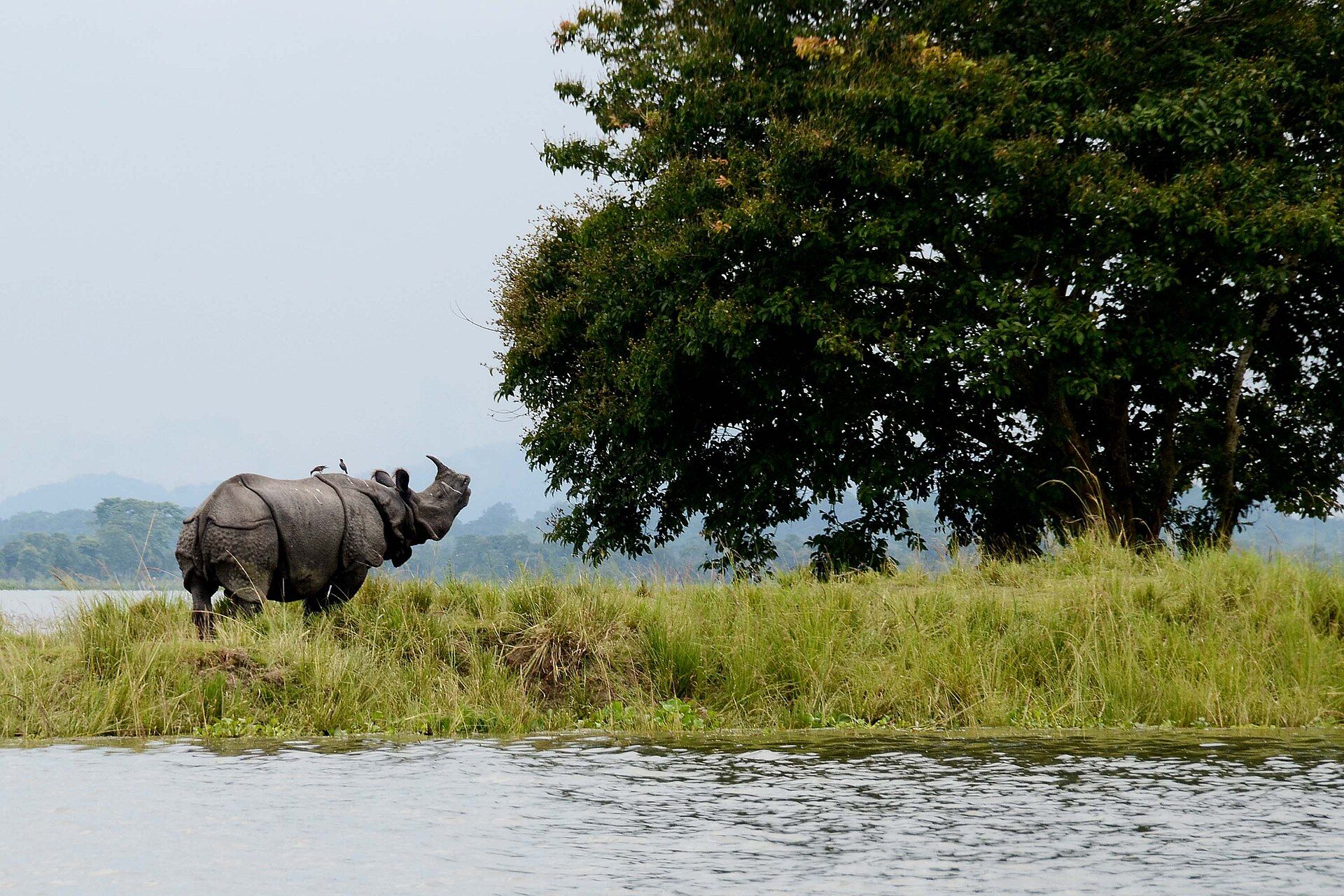
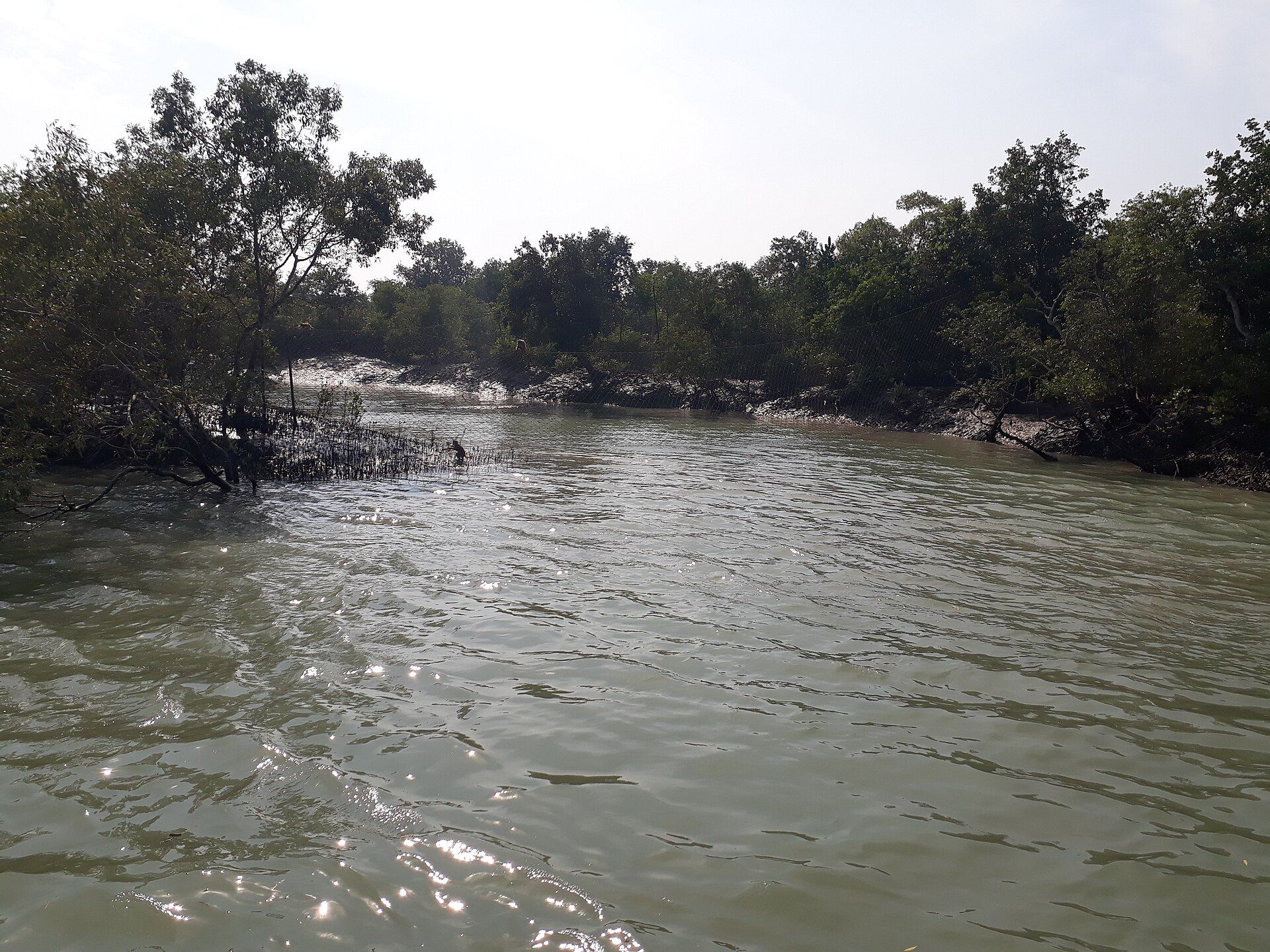
Where the Ganges, Brahmaputra, and Meghna rivers meet the Bay of Bengal, they build a colossal delta, and across it spreads the Sundarbans — around 10,000 square kilometres of tidal mangrove forest, the largest in the world. The mangroves' stilt and 'breathing' roots cope with daily tides and salt, stabilising the coast and buffering millions of people from cyclones. It is a UNESCO World Heritage Site and a biodiversity treasure, most famously home to the Bengal tiger, which here has adapted to swim between islands, alongside crocodiles, river dolphins, and countless birds.
Why visit
Cruising the maze of tidal channels by boat — past mangroves, mudskippers, kingfishers, and crocodiles, with the thrilling, rare possibility of a tiger on the bank — is a wild, atmospheric journey into one of the planet's greatest and most important forests.
What to know before you go
🗓️ Best time
The cooler, drier season (roughly October–March) for comfortable, less-humid boat travel and better wildlife viewing; the monsoon brings heavy rain and higher waters.
🧭 Getting there & access
Mostly from Khulna or Mongla in southwestern Bangladesh (also from India's West Bengal), on multi-day guided boat trips into the protected forest; independent entry is restricted.
Good to know
- Go on a guided boat safari with licensed operators and armed forest guards.
- Tiger sightings are rare and never guaranteed — enjoy the whole ecosystem.
- Respect the forest's protected status and the communities at its edge.
Plan your visit
Moderate🧭 Getting there
From Khulna, Bangladesh
- Fly or drive Dhaka → Khulna or Mongla — several hours overland
- Board a multi-day launch (river boat) tour into the mangrove forest from Mongla
- Explore the channels by smaller boat with the guide and a forest guard
- Total travel
- A day to reach the launch, then days on the water
- Time at site
- A two-to-four-day boat tour
- Access
- The Sundarbans is roadless mangrove, so it is seen entirely by boat — a multi-day launch tour arranged through a licensed operator, with the required forest-department permits and an armed forest guard aboard, because this is Bengal tiger country and the guard is not a formality. You do not wander off alone here. The cool, dry season from roughly November to February is the comfortable and safe window; the monsoon and cyclone season is another matter. Tides govern where the boat can go and when. Confirm permits and current conditions through your operator.
🎒 What to bring & consider
- A licensed boat tour with the forest permits and an armed guard, which are mandatory in what is genuinely tiger country
- A visit in the cool, dry season, both for comfort and to avoid the cyclone-prone monsoon months
- Malaria precautions and strong insect repellent for a hot, humid, mosquito-heavy mangrove
- Binoculars, since the wildlife — tigers especially — is glimpsed at distance across water and mud, if at all
- The discipline to stay with the group and the guard, and low expectations about tigers, which are rarely seen
👁️ What to expect
- Crowds
- Low. A handful of tour launches share a vast waterway; you rarely feel crowded.
- Conditions
- Hot, humid and tidal, seen from the deck of a slow boat winding through mangrove channels.
- Facilities
- Everything is on the launch — cabins, meals, guides. Nothing ashore in the forest itself.
- The view
- The mangrove channels at first light with mist on the water, and — with luck and patience — a spotted deer or a crocodile on a mudbank. A tiger is the prize almost no one gets; the forest and the light are the reliable rewards.
Times and requirements are approximate and change with season, weather, and local rules — confirm permits, fares, and schedules with operators before you travel.
Natural riches of the area
- The largest mangrove forest on Earth (a natural storm buffer)
- The Bengal tiger and rich delta wildlife (crocodiles, dolphins, birds)
- A vast tidal channel-and-island ecosystem
- Fisheries and honey that sustain surrounding communities
Local food
- Ilish (hilsa) fish
- The prized delta fish, central to Bengali cuisine, often in mustard sauce.
- Chingri malai curry
- Prawns in a rich coconut-milk curry, a Bengali classic.
- Rice & panta bhat
- Rice is the staple; fermented rice is a traditional delta dish.
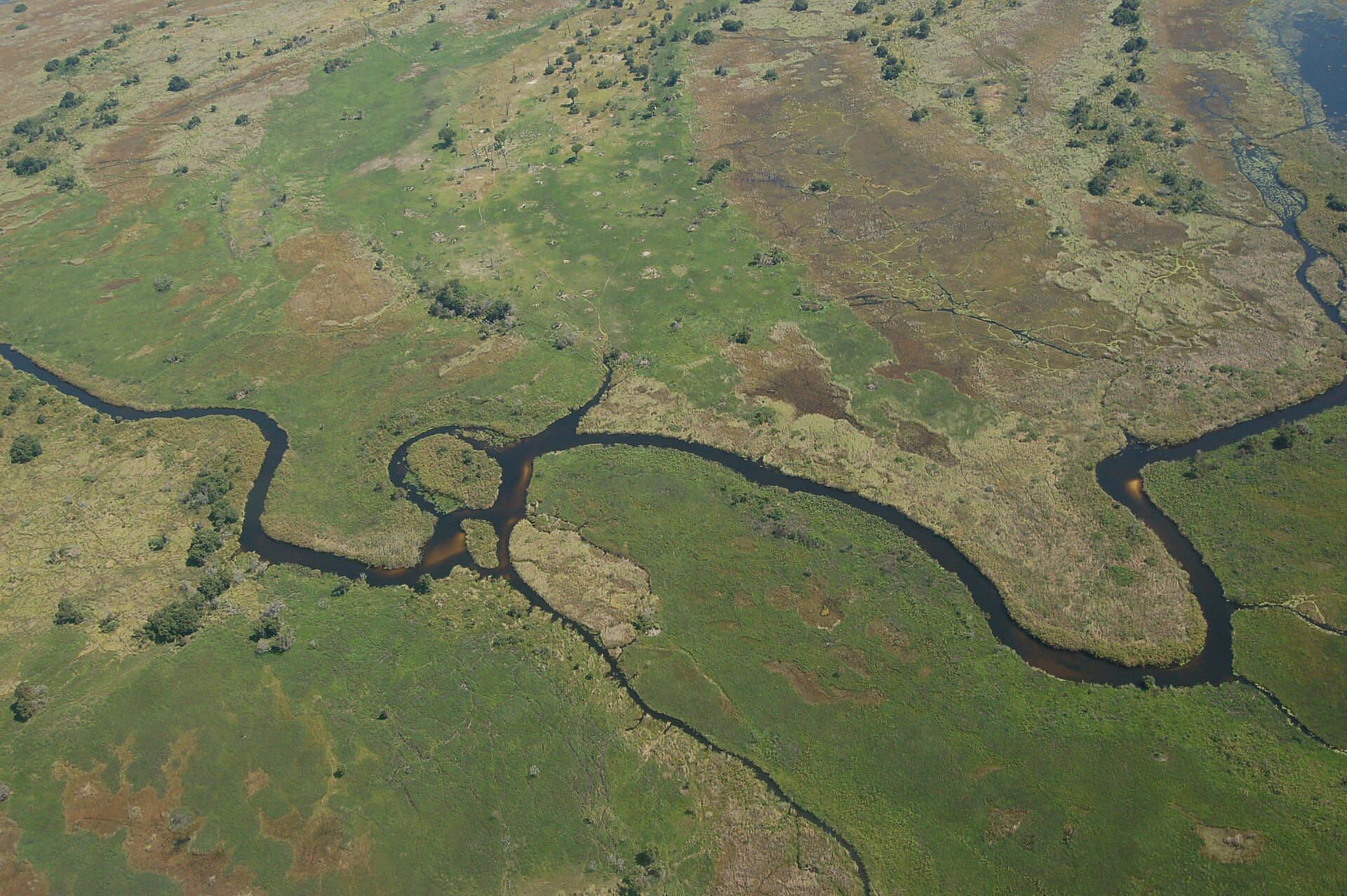
The Sundarbans are the greatest mangrove forest on Earth — a vast, tidal labyrinth where the Ganges, Brahmaputra, and Meghna rivers pour into the Bay of Bengal and build a delta of channels, mudflats, and salt-tolerant forest covering some 10,000 square kilometres. Twice a day the tides flood and drain the maze, and the mangroves’ tangled stilt and ‘breathing’ roots hold the coast together and shield millions of people inland from cyclones.
It is also one of the wildest places in South Asia. A UNESCO World Heritage Site, it is the last great stronghold of the Bengal tiger, which here has learned to swim between the islands, sharing the forest with crocodiles, river dolphins, and clouds of birds. To drift through the channels by boat, mangroves crowding the banks and the faint chance of a tiger at the water’s edge, is to enter a forest that is at once beautiful, vital, and genuinely wild.
The Sundarbans: common questions
How do you get to The Sundarbans?
From Khulna, Bangladesh: Fly or drive Dhaka → Khulna or Mongla — several hours overland; Board a multi-day launch (river boat) tour into the mangrove forest from Mongla; Explore the channels by smaller boat with the guide and a forest guard. Allow a day to reach the launch, then days on the water.
When is the best time to visit The Sundarbans?
The cooler, drier season (roughly October–March) for comfortable, less-humid boat travel and better wildlife viewing; the monsoon brings heavy rain and higher waters.
How long should you spend at The Sundarbans?
A two-to-four-day boat tour. A day to reach the launch, then days on the water of travel from Khulna, Bangladesh.
What should you bring to The Sundarbans?
A licensed boat tour with the forest permits and an armed guard, which are mandatory in what is genuinely tiger country A visit in the cool, dry season, both for comfort and to avoid the cyclone-prone monsoon months Malaria precautions and strong insect repellent for a hot, humid, mosquito-heavy mangrove Binoculars, since the wildlife — tigers especially — is glimpsed at distance across water and mud, if at all The discipline to stay with the group and the guard, and low expectations about tigers, which are rarely seen
Do you need a permit or guide for The Sundarbans?
The Sundarbans is roadless mangrove, so it is seen entirely by boat — a multi-day launch tour arranged through a licensed operator, with the required forest-department permits and an armed forest guard aboard, because this is Bengal tiger country and the guard is not a formality. You do not wander off alone here. The cool, dry season from roughly November to February is the comfortable and safe window; the monsoon and cyclone season is another matter. Tides govern where the boat can go and when. Confirm permits and current conditions through your operator.
Is The Sundarbans crowded, and what are conditions like?
Low. A handful of tour launches share a vast waterway; you rarely feel crowded. Hot, humid and tidal, seen from the deck of a slow boat winding through mangrove channels. Facilities: everything is on the launch — cabins, meals, guides. Nothing ashore in the forest itself.
Added Updated
More wonders to explore