Vatnajökull Ice Caves
📍 Southeast Iceland
Glowing blue caves melted into the heart of Europe's largest ice cap — crystalline chambers of glacier ice, formed anew each winter beneath a vast frozen dome that hides fire below.
What makes it marvelous
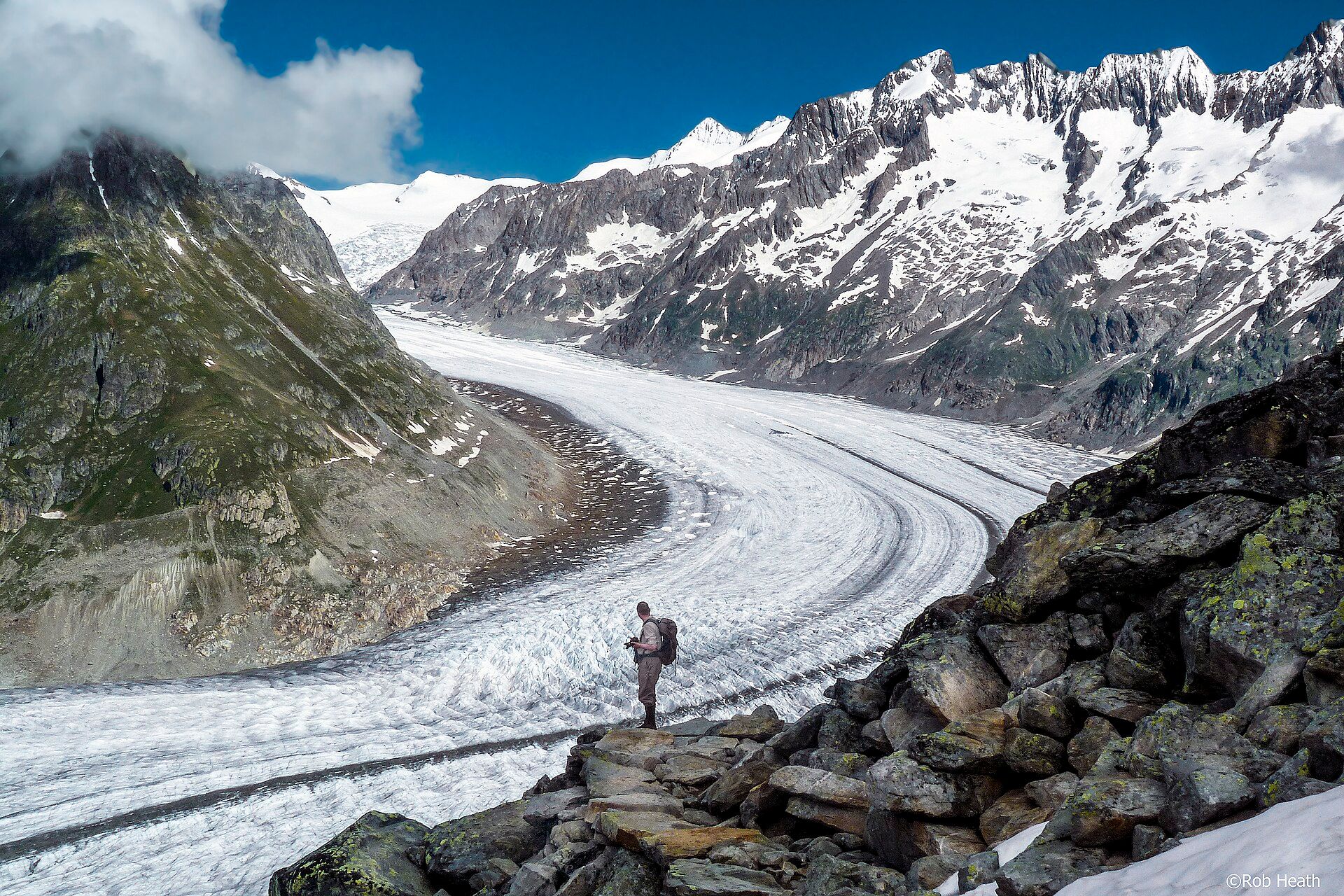
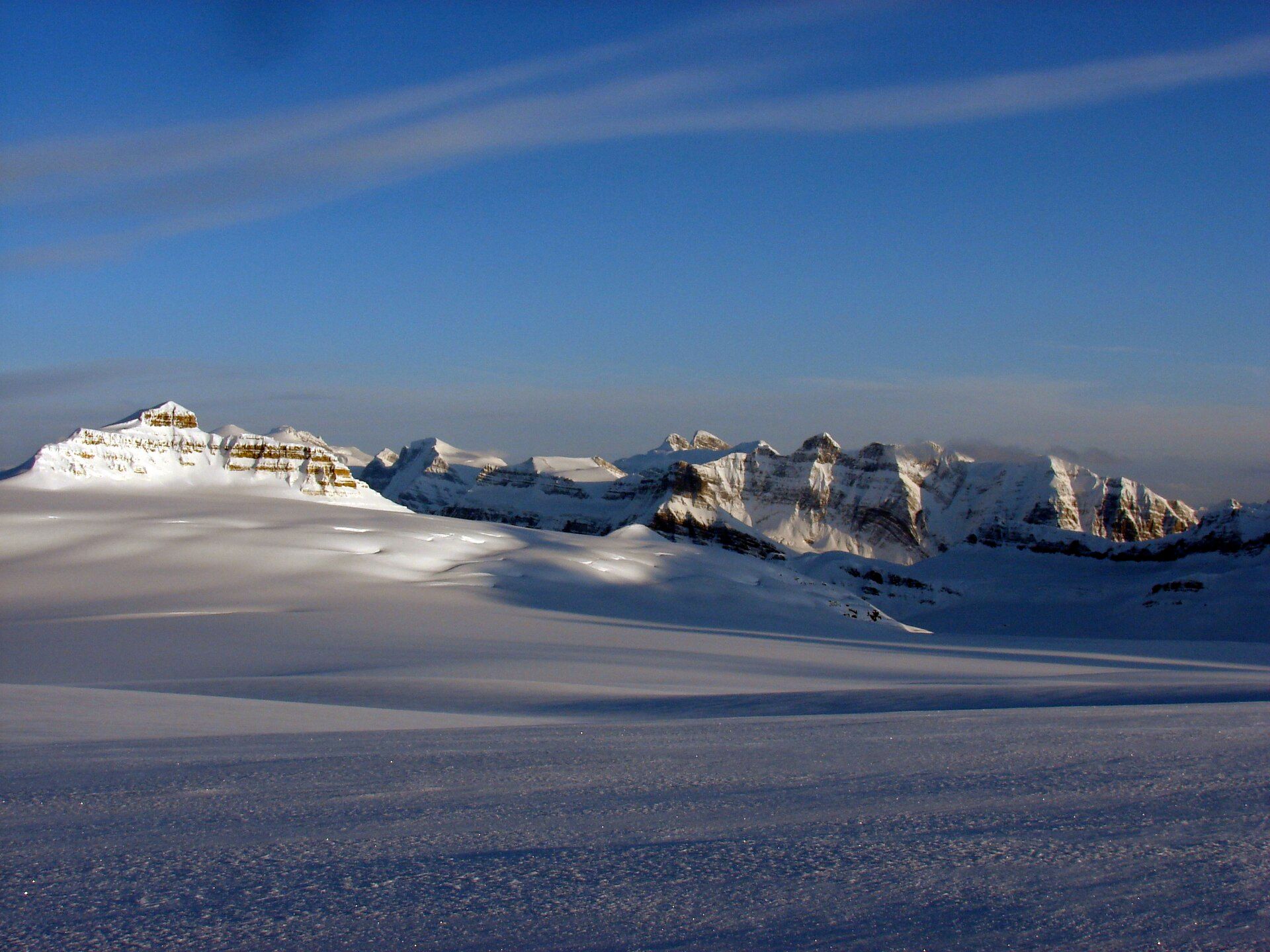
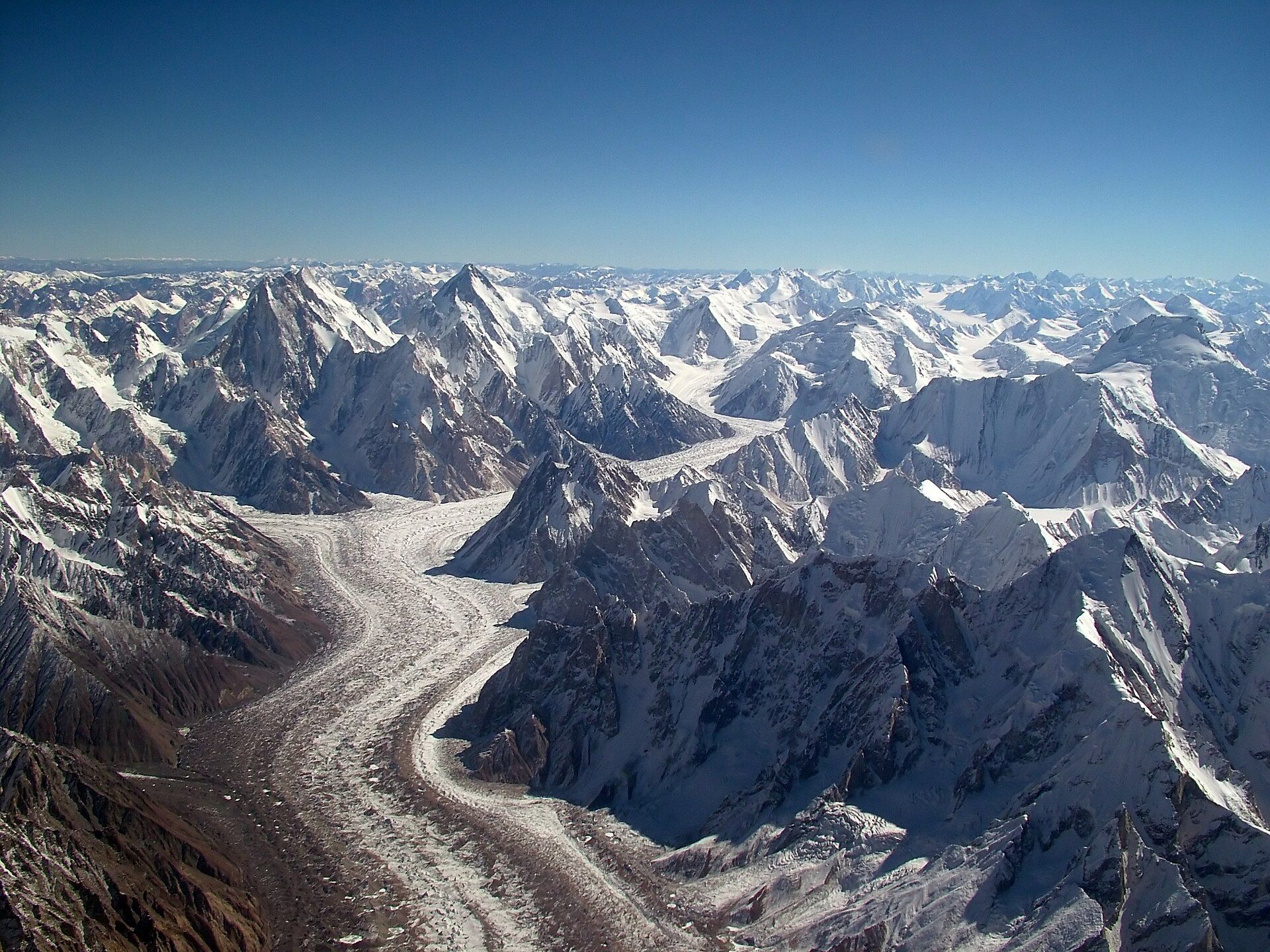
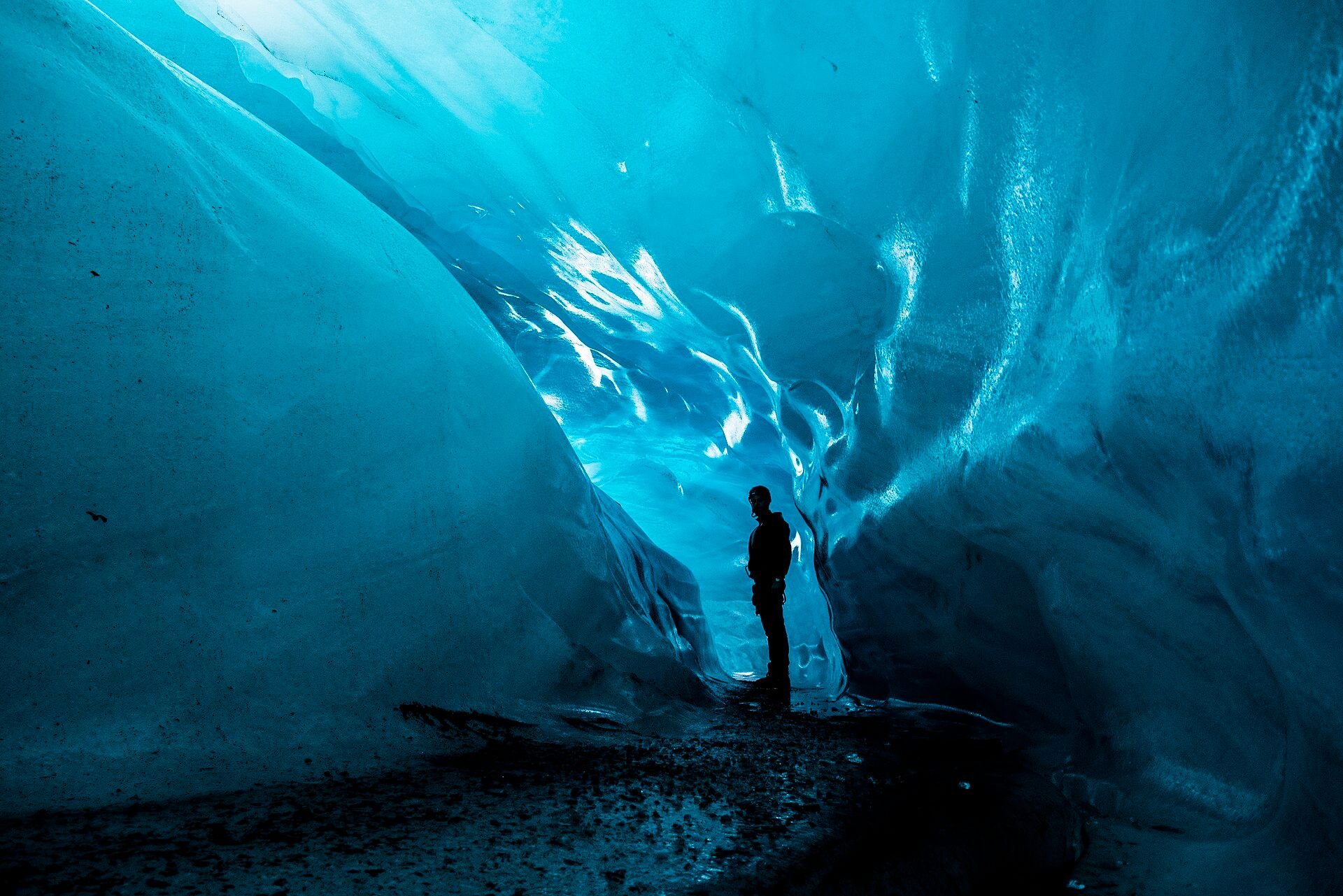
Vatnajökull is the largest ice cap in Europe, a colossal dome of ice covering some 8% of Iceland and, in places, nearly a kilometre thick. Each autumn, meltwater carves tunnels and chambers deep into the glacier, and when winter freezes them solid they become the famous ice caves — hollows of dense, ancient, air-free ice that glow an unearthly, luminous blue where daylight filters through metres of compressed glacier. No two are alike, and because the glacier is always moving and melting, each winter's caves are new, then gone by spring. Beneath all this ice lie active volcanoes, so that Vatnajökull embodies Iceland's signature marriage of fire and ice — its subglacial eruptions and outburst floods shaping the land. The ice cap anchors Vatnajökull National Park, a UNESCO World Heritage Site.
Why visit
Stepping inside a cave of glowing blue glacier ice — walls of it curving overhead, sculpted and translucent — is one of the most surreal and photogenic experiences on the planet, a fleeting winter wonder found in few places on Earth.
What to know before you go
🗓️ Best time
Winter (roughly November–March), the only season the natural ice caves are safe and stable to enter; glacier hikes on Vatnajökull run year-round with guides.
🧭 Getting there & access
In southeast Iceland along the Ring Road, reached near Jökulsárlón and Skaftafell; the ice caves can be entered only on guided tours, which drive onto the glacier margins in winter.
Good to know
- Visit ice caves only November–March, and only with a licensed guide.
- Caves change every year — go with operators who scout them fresh each winter.
- Wear crampons and warm, waterproof gear; conditions are cold and wet.
Plan your visit
Moderate🧭 Getting there
From Reykjavik, then the southeast coast near Jokulsarlon or Hofn
- Drive Reykjavik → the southeast on Route 1 — roughly 5h–6h in good conditions
- Meet your guide at a designated point near the glacier
- Super-jeep transfer onto the glacier margin — typically 30min–1h
- Total travel
- A full day's driving from Reykjavik
- Time at site
- 3–4 hours for a cave tour; a day if you combine it with the lagoon
- Access
- Licensed guide only — entering a glacier cave unguided is not permitted and would be reckless in any case. Natural ice caves form and stay stable only in the cold season, roughly November to March; outside it, tours use a man-made tunnel or a different glacier entirely. Every cave is temporary, so no cave you read about is guaranteed to exist this year.
🎒 What to bring & consider
- Genuinely warm, waterproof layers — you are standing inside ice, and cave floors are wet
- Waterproof boots with ankle support; crampons are supplied and fit over them properly only with stiff soles
- A helmet and crampons from the operator, worn as instructed — falling ice and meltwater channels are real hazards
- Winter driving competence or a tour that collects you, since the south coast road is genuinely difficult in storms
- Willingness to have the tour cancelled at short notice when meltwater or warm weather makes a cave unsafe
👁️ What to expect
- Crowds
- Tour groups are small by rule, but popular caves run back-to-back groups through the day.
- Conditions
- Uneven ice underfoot, low ceilings, and a short walk or drive across glacier moraine to reach the entrance.
- Facilities
- Nothing at the cave. Everything is back at the meeting point or in Hofn.
- The view
- The blue is deepest on overcast days, when soft light filters through the ice rather than blowing out the entrance. It is dark inside — a tripod and a steady hand matter more than a fast lens.
Times and requirements are approximate and change with season, weather, and local rules — confirm permits, fares, and schedules with operators before you travel.
Natural riches of the area
- The largest ice cap in Europe (~8% of Iceland)
- Seasonal blue ice caves of dense glacier ice
- Active volcanoes hidden beneath the ice
- Outlet glaciers, glacial lagoons, and outburst-flood plains
Local food
- Icelandic lamb
- Free-ranging, herb-fed lamb, a staple of the Icelandic table.
- Fresh seafood
- Cod, haddock, and langoustine from Iceland's cold waters.
- Skyr
- Iceland's thick, protein-rich cultured dairy, eaten for centuries.
Beneath Iceland’s largest ice cap lies one of the most surreal sights on Earth: caves of glowing blue ice. Vatnajökull is the biggest glacier in Europe, a dome covering some 8% of the country and nearly a kilometre thick in places. Each autumn, meltwater carves tunnels deep into the ice; when winter freezes them, they become the famous ice caves — hollows of dense, ancient, air-free ice that glow an unearthly blue where daylight seeps through metres of compressed glacier.
No two caves are the same, and because the glacier never stops moving and melting, each winter’s caves are formed anew and gone by spring — a wonder you must catch in its brief season. And beneath all that ice lie active volcanoes, so Vatnajökull embodies Iceland’s essential marriage of fire and ice, its subglacial eruptions and floods shaping the land. To step inside one of these glowing blue chambers, walls of curving translucent ice overhead, is an experience found in almost nowhere else on the planet.
Vatnajökull Ice Caves: common questions
How do you get to Vatnajökull Ice Caves?
From Reykjavik, then the southeast coast near Jokulsarlon or Hofn: Drive Reykjavik → the southeast on Route 1 — roughly 5h–6h in good conditions; Meet your guide at a designated point near the glacier; Super-jeep transfer onto the glacier margin — typically 30min–1h. Allow a full day's driving from reykjavik.
When is the best time to visit Vatnajökull Ice Caves?
Winter (roughly November–March), the only season the natural ice caves are safe and stable to enter; glacier hikes on Vatnajökull run year-round with guides.
How long should you spend at Vatnajökull Ice Caves?
3–4 hours for a cave tour; a day if you combine it with the lagoon. A full day's driving from Reykjavik of travel from Reykjavik, then the southeast coast near Jokulsarlon or Hofn.
What should you bring to Vatnajökull Ice Caves?
Genuinely warm, waterproof layers — you are standing inside ice, and cave floors are wet Waterproof boots with ankle support; crampons are supplied and fit over them properly only with stiff soles A helmet and crampons from the operator, worn as instructed — falling ice and meltwater channels are real hazards Winter driving competence or a tour that collects you, since the south coast road is genuinely difficult in storms Willingness to have the tour cancelled at short notice when meltwater or warm weather makes a cave unsafe
Do you need a permit or guide for Vatnajökull Ice Caves?
Licensed guide only — entering a glacier cave unguided is not permitted and would be reckless in any case. Natural ice caves form and stay stable only in the cold season, roughly November to March; outside it, tours use a man-made tunnel or a different glacier entirely. Every cave is temporary, so no cave you read about is guaranteed to exist this year.
Is Vatnajökull Ice Caves crowded, and what are conditions like?
Tour groups are small by rule, but popular caves run back-to-back groups through the day. Uneven ice underfoot, low ceilings, and a short walk or drive across glacier moraine to reach the entrance. Facilities: nothing at the cave. Everything is back at the meeting point or in Hofn.
Added
More wonders to explore