🇳🇿 Natural wonders of New Zealand
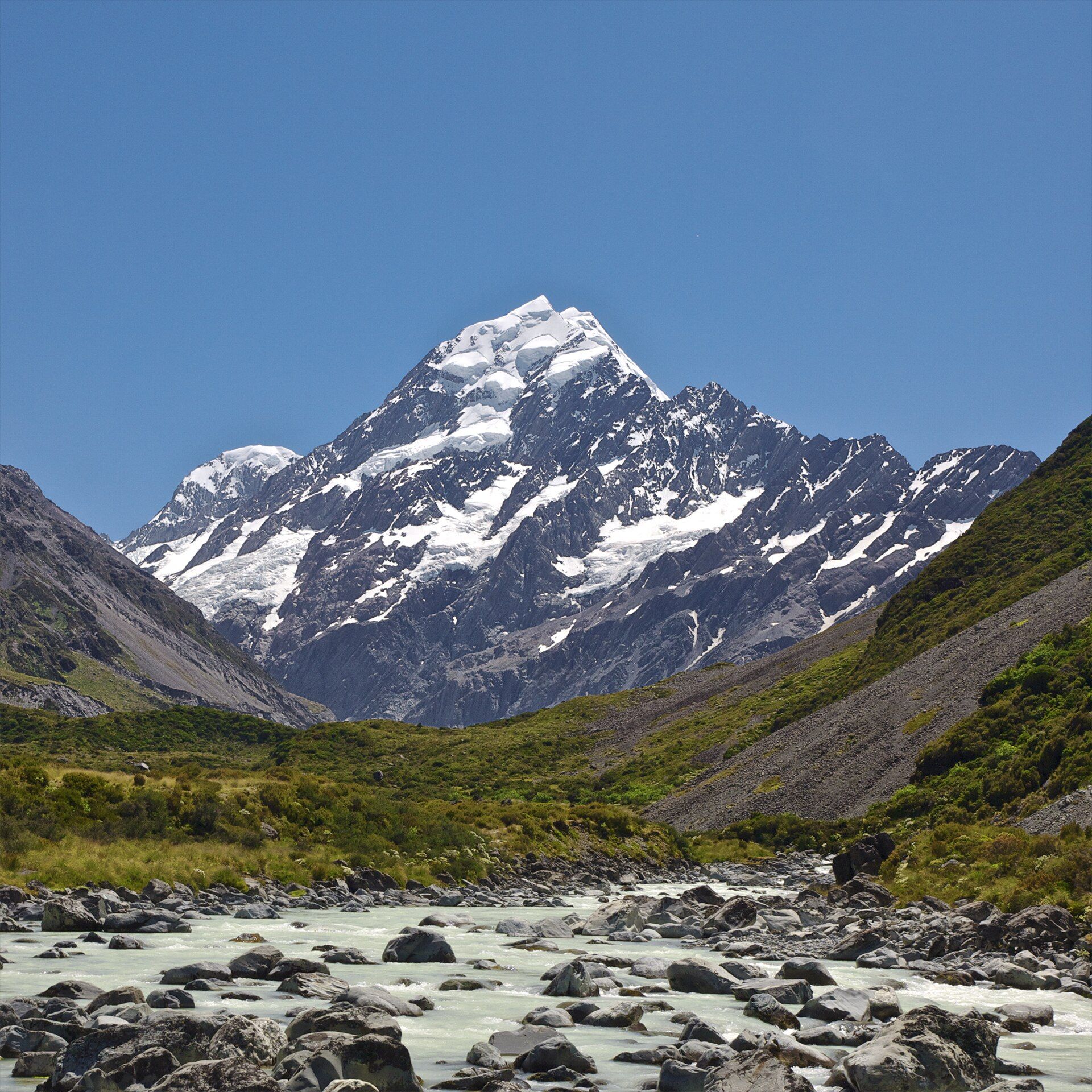
A young, restless land of glacier-carved fjords and active volcanoes — where the Southern Alps drop to rainforest fjords in the south and volcanic craters steam on the North Island plateau.
🗓️ Best time for nature: Fiordland is a year-round rainforest fjord (rain brings the waterfalls alive); the Tongariro Alpine Crossing is best in summer, roughly November–April.
The lay of the land
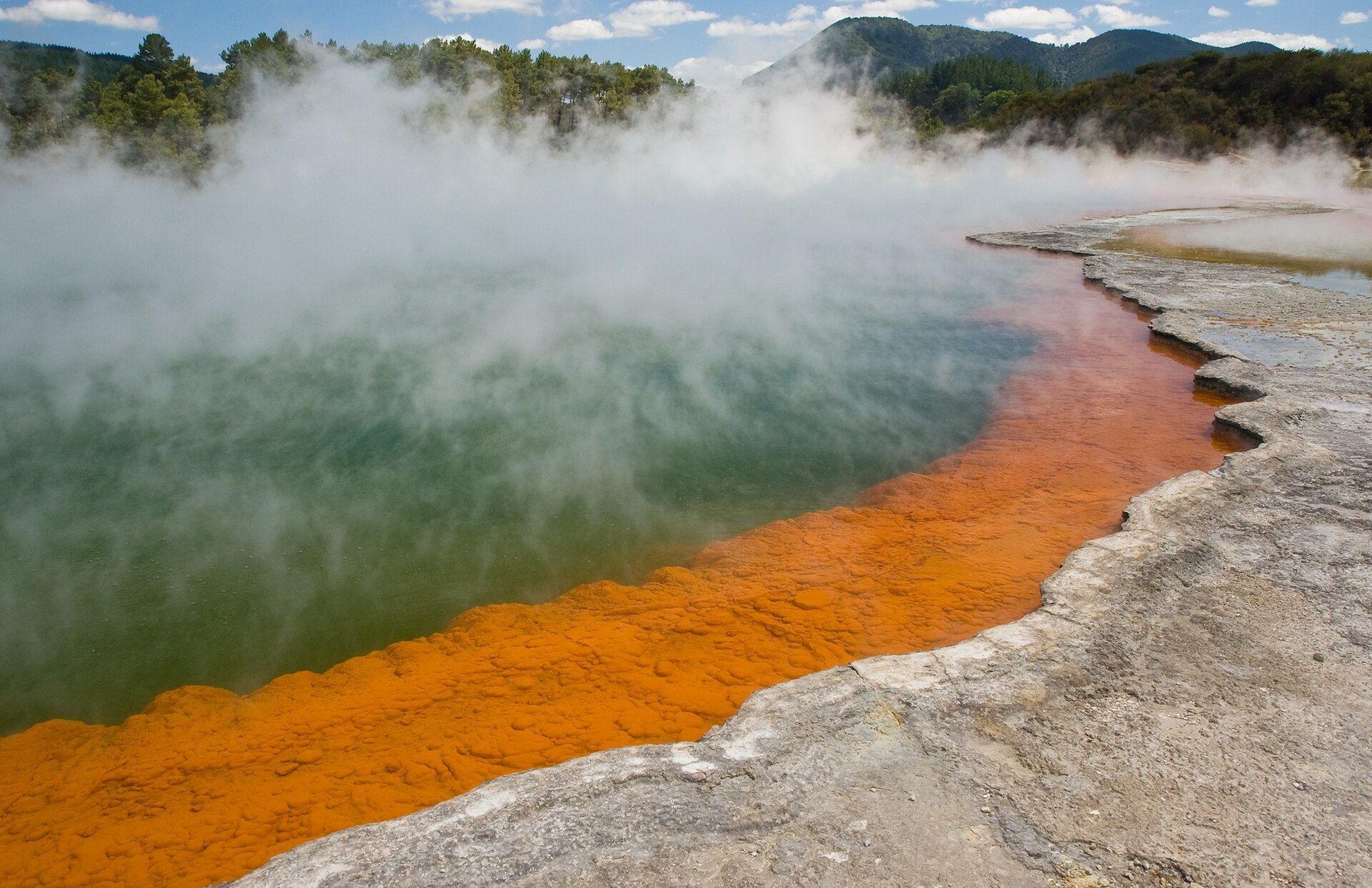
New Zealand sits astride an active plate boundary, which gives it both towering glacier-carved mountains and live volcanoes. On the South Island, glaciers gouged the deep fjords of Fiordland — a UNESCO World Heritage wilderness of sheer cliffs and waterfalls fed by extreme rainfall, of which Milford Sound is the jewel. On the North Island, the Central Plateau is a volcanic heartland of craters, mineral lakes, and lava fields. Long isolation left the country with unique wildlife, and its landscapes are woven with Māori heritage.
Where to begin
-
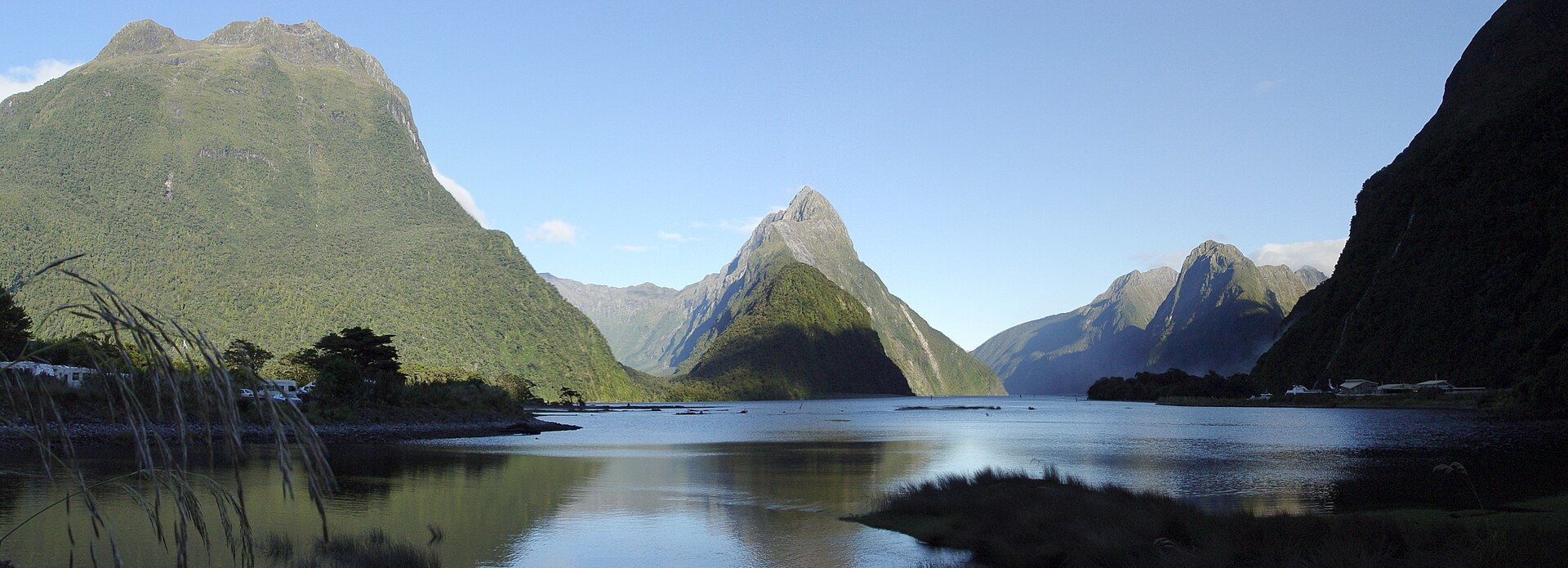
Milford Sound
New Zealand's iconic fjord — cliffs, waterfalls, and Mitre Peak.
-
Tongariro National Park
A volcanic national park with emerald crater lakes and a world-class alpine trek.
A taste of the place
New Zealand food draws on superb produce — grass-fed lamb and venison, green-lipped mussels and crayfish from cold seas, and kūmara (sweet potato) — alongside Māori traditions like the earth-oven hāngī.
Traveling responsibly
- In Fiordland, embrace the rain — it's when the waterfalls are best.
- Check weather and volcanic alerts before alpine hikes like the Tongariro Crossing.
- Respect the sacred status of the volcanoes to local Māori iwi.
New Zealand is a young and geologically restless country, and its wonders show both faces of that energy. On the South Island, ancient glaciers carved the fjords of Fiordland, where Milford Sound’s cliffs plunge into dark water beneath hundreds of rain-fed waterfalls. On the North Island, the Central Plateau still steams and rumbles, its volcanic craters and emerald lakes crossed by one of the world’s great day hikes. This atlas begins the country’s chapter with that pairing — a fjord and a volcano, ice and fire.
Added
All wonders in New Zealand
4 places