Wadi Rum
📍 Southern Jordan
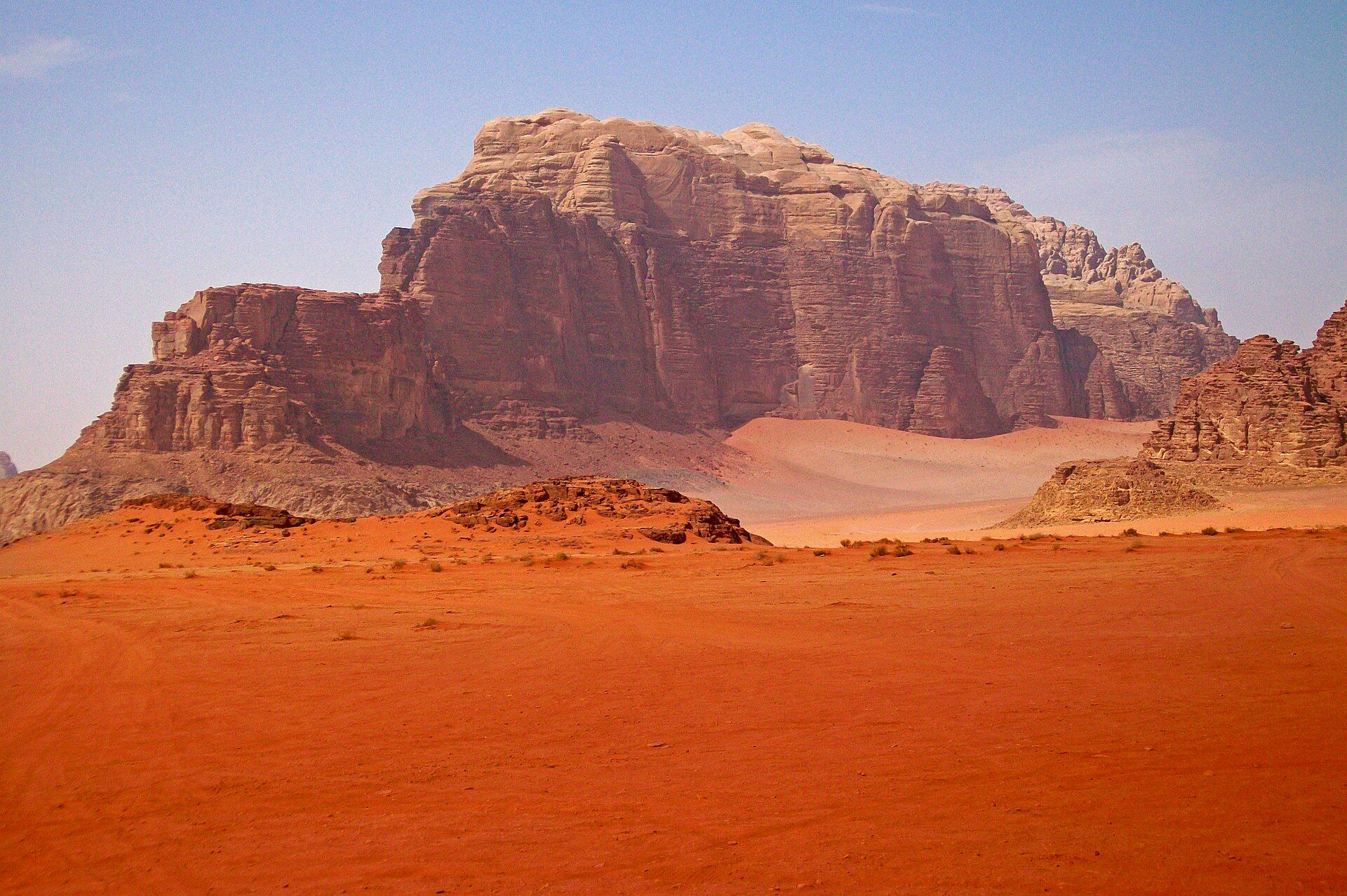
The 'Valley of the Moon' — a vast desert of red and gold sand studded with towering sandstone and granite mountains, sculpted by wind into arches, canyons, and sheer cliffs beneath enormous skies.
What makes it marvelous
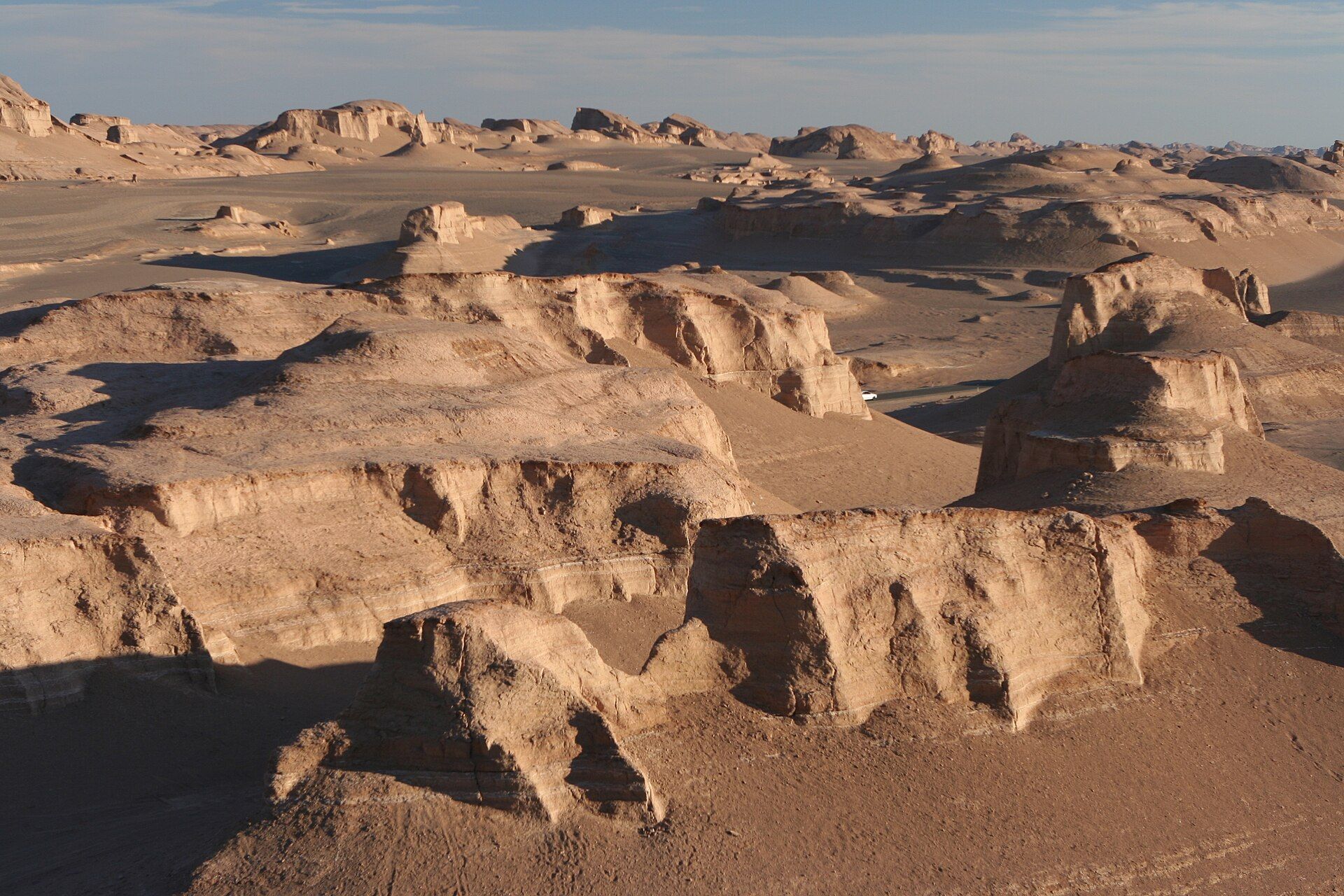
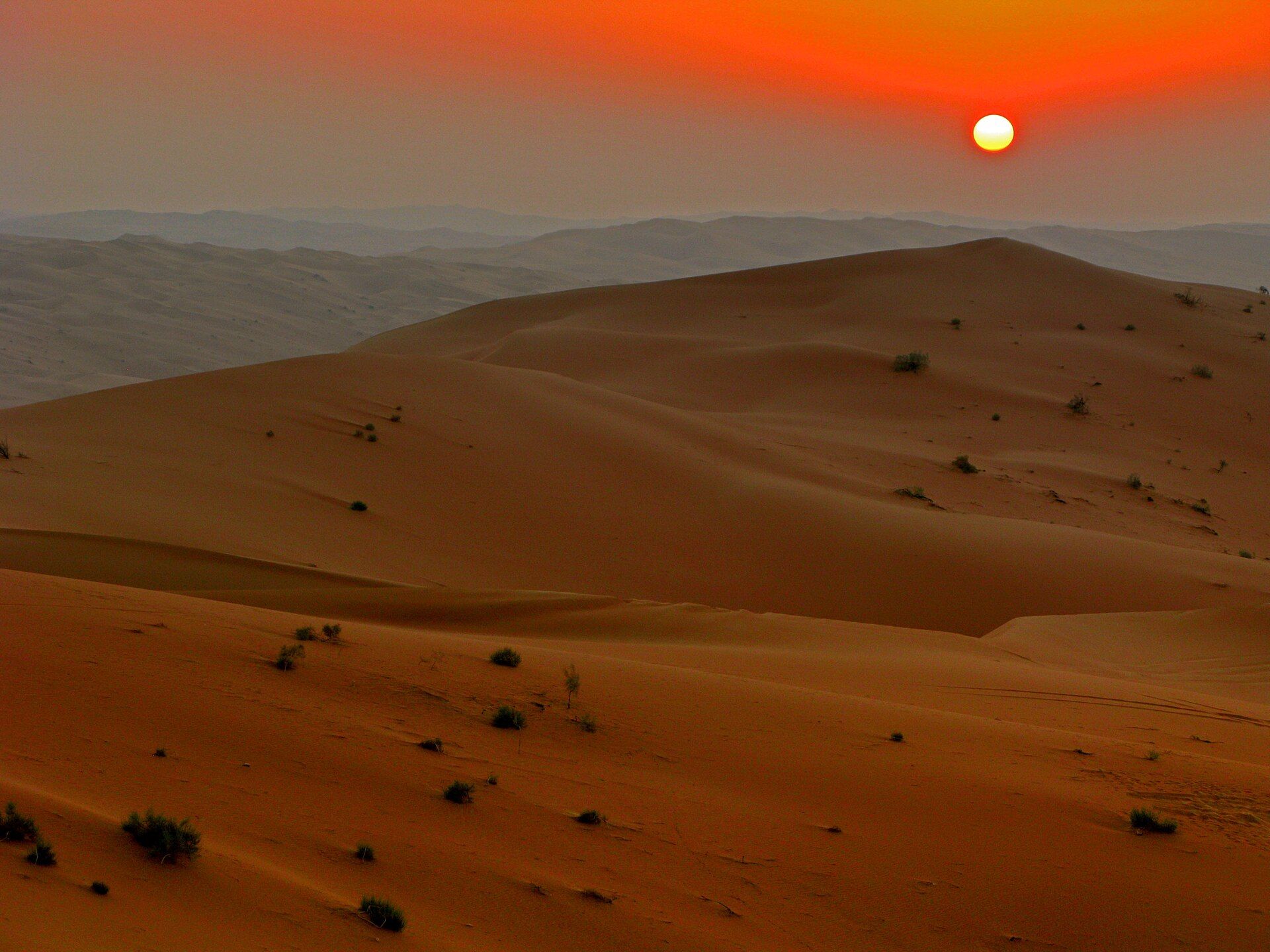
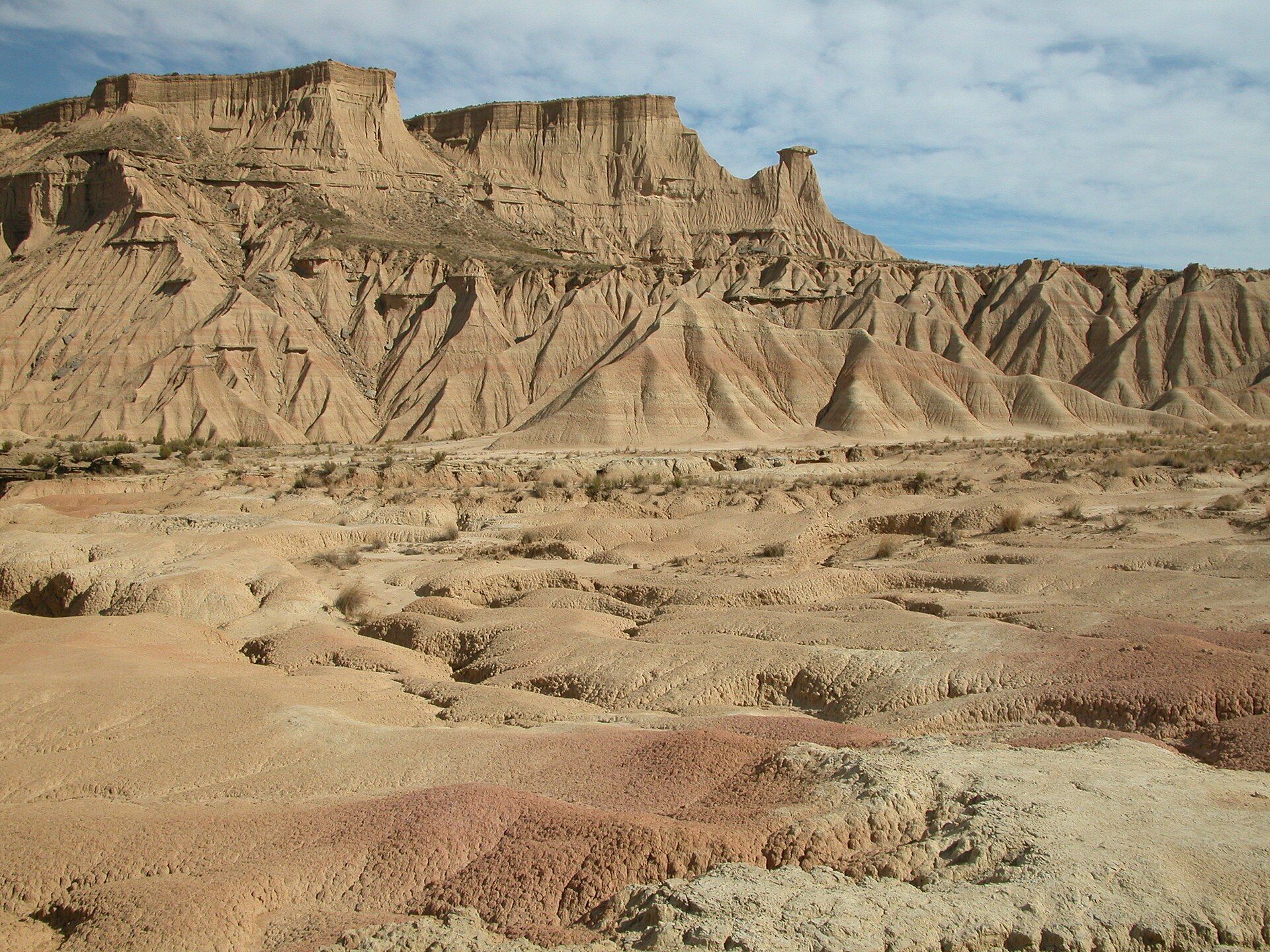
Wadi Rum is a landscape of huge sandstone and granite massifs rising abruptly from wind-rippled red sand, carved over millions of years into natural arches, narrow siqs (canyons), and cliffs bearing rock art and inscriptions left by peoples over 12,000 years. Its otherworldly scenery — so like another planet that it stands in for Mars in many films — is a protected wilderness and the ancestral land of Bedouin, who still herd and guide here. The desert's dark, dry skies are superb for stargazing.
Why visit
Riding by 4x4 or camel among the great rock islands as the sand glows crimson at sunset, scrambling to arches and springs, and sleeping in a Bedouin desert camp under a blaze of stars is one of the Middle East's most magical experiences.
What to know before you go
🗓️ Best time
Spring (March–May) and autumn (October–November) for comfortable temperatures; summer days are scorching and winter nights very cold.
🧭 Getting there & access
About an hour from Aqaba or a few hours from Petra/Amman in southern Jordan; a visitor centre and Bedouin-run 4x4, camel, and camping tours access the protected area.
Good to know
- Avoid high summer heat; spring and autumn are ideal.
- Stay overnight in a Bedouin camp for the sunset and stargazing.
- Go with local Bedouin guides who know the desert and its water sources.
Plan your visit
Easy🧭 Getting there
From Aqaba, Jordan
- Fly → Aqaba (AQJ), or drive from Amman — roughly 4h
- Drive Aqaba → the Wadi Rum visitor centre — about 1h
- Transfer to a Bedouin 4x4 at the village for the desert itself
- Total travel
- About an hour from Aqaba to the desert edge
- Time at site
- A day trip, or far better with an overnight
- Access
- Wadi Rum is a protected area with an entry fee collected at the visitor centre, and inside it you travel with local Bedouin operators rather than your own vehicle — the desert has no signed roads and the camps and 4x4 tours are run by the community. An overnight in a desert camp is what turns it from a quick drive into the real thing, and camps book up in the spring and autumn peak. The daytime heat and the cold of a clear desert night are both extreme and easy to underestimate.
🎒 What to bring & consider
- A Bedouin guide and 4x4 arranged through the camps or visitor centre, which is how you actually move around a trackless desert
- Layers for a genuine temperature swing — searing by day and cold enough for a fleece and a good sleeping bag after dark
- Sun cover for the head and neck and more water than feels necessary, since there is no shade between rock formations
- Closed shoes for scrambling on sandstone and over dunes, which sandals make miserable
- A booked overnight if you can, because the silence and the stars after the day-trippers leave are the point
👁️ What to expect
- Crowds
- Day tours cluster at the famous arches and the Lawrence sites. The camps and back corners are quiet.
- Conditions
- Open desert of red sand and towering sandstone. Hot days, cold nights, occasional wind-blown sand.
- Facilities
- A visitor centre with basics, and Bedouin camps ranging from simple to luxurious. Little in between.
- The view
- The red dunes and sandstone jebels in the low light of dawn or dusk, or the night sky over a camp. Midday sun bleaches the red out, so the ends of the day do the work.
Times and requirements are approximate and change with season, weather, and local rules — confirm permits, fares, and schedules with operators before you travel.
Natural riches of the area
- Wind-sculpted sandstone and granite desert mountains
- Natural arches, canyons, and desert springs
- Bedouin pastoral heritage and ancient rock art
- Exceptionally dark skies for astronomy
Local food
- Zarb
- A Bedouin feast of meat and vegetables slow-cooked in an underground sand oven.
- Mansaf
- Jordan's national dish — lamb in fermented dried-yoghurt sauce over rice.
- Bedouin tea & flatbread
- Sweet sage tea and bread baked over the fire, the desert's hospitality.
Wadi Rum is the desert of the imagination made real. Across a floor of wind-rippled red sand rise huge islands of sandstone and granite, their flanks carved over millions of years into arches, sheer cliffs, and narrow canyons. The scenery is so otherworldly that filmmakers use it for Mars — but people have known it far longer, leaving rock art and inscriptions here across more than twelve thousand years.
This is Bedouin country, and the best way to experience it is on their terms: bouncing between the great rock massifs by 4x4 or swaying along on a camel, scrambling to hidden springs and arches, and then settling into a desert camp as the sand turns crimson at sunset and the sky fills with stars. Vast, silent, and elemental, the ‘Valley of the Moon’ is one of the most beautiful deserts on Earth.
Wadi Rum: common questions
How do you get to Wadi Rum?
From Aqaba, Jordan: Fly → Aqaba (AQJ), or drive from Amman — roughly 4h; Drive Aqaba → the Wadi Rum visitor centre — about 1h; Transfer to a Bedouin 4x4 at the village for the desert itself. Allow about an hour from aqaba to the desert edge.
When is the best time to visit Wadi Rum?
Spring (March–May) and autumn (October–November) for comfortable temperatures; summer days are scorching and winter nights very cold.
How long should you spend at Wadi Rum?
A day trip, or far better with an overnight. About an hour from Aqaba to the desert edge of travel from Aqaba, Jordan.
What should you bring to Wadi Rum?
A Bedouin guide and 4x4 arranged through the camps or visitor centre, which is how you actually move around a trackless desert Layers for a genuine temperature swing — searing by day and cold enough for a fleece and a good sleeping bag after dark Sun cover for the head and neck and more water than feels necessary, since there is no shade between rock formations Closed shoes for scrambling on sandstone and over dunes, which sandals make miserable A booked overnight if you can, because the silence and the stars after the day-trippers leave are the point
Do you need a permit or guide for Wadi Rum?
Wadi Rum is a protected area with an entry fee collected at the visitor centre, and inside it you travel with local Bedouin operators rather than your own vehicle — the desert has no signed roads and the camps and 4x4 tours are run by the community. An overnight in a desert camp is what turns it from a quick drive into the real thing, and camps book up in the spring and autumn peak. The daytime heat and the cold of a clear desert night are both extreme and easy to underestimate.
Is Wadi Rum crowded, and what are conditions like?
Day tours cluster at the famous arches and the Lawrence sites. The camps and back corners are quiet. Open desert of red sand and towering sandstone. Hot days, cold nights, occasional wind-blown sand. Facilities: a visitor centre with basics, and Bedouin camps ranging from simple to luxurious. Little in between.
Added Updated
More wonders to explore