Tatra Mountains
📍 Poland–Slovakia border
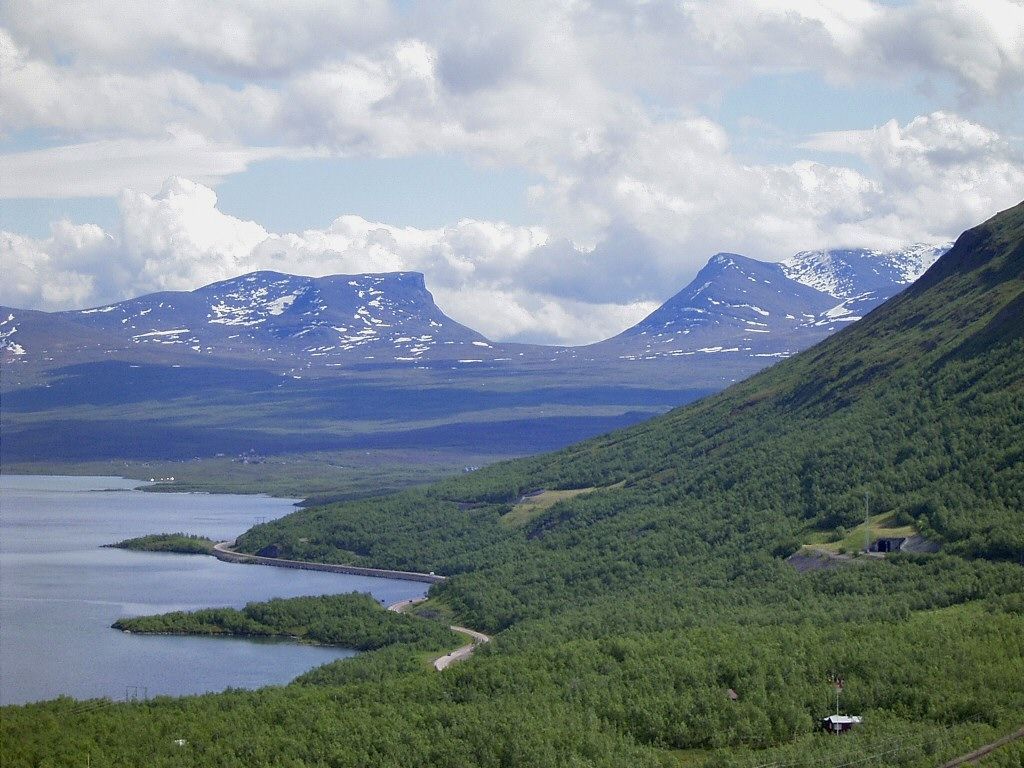
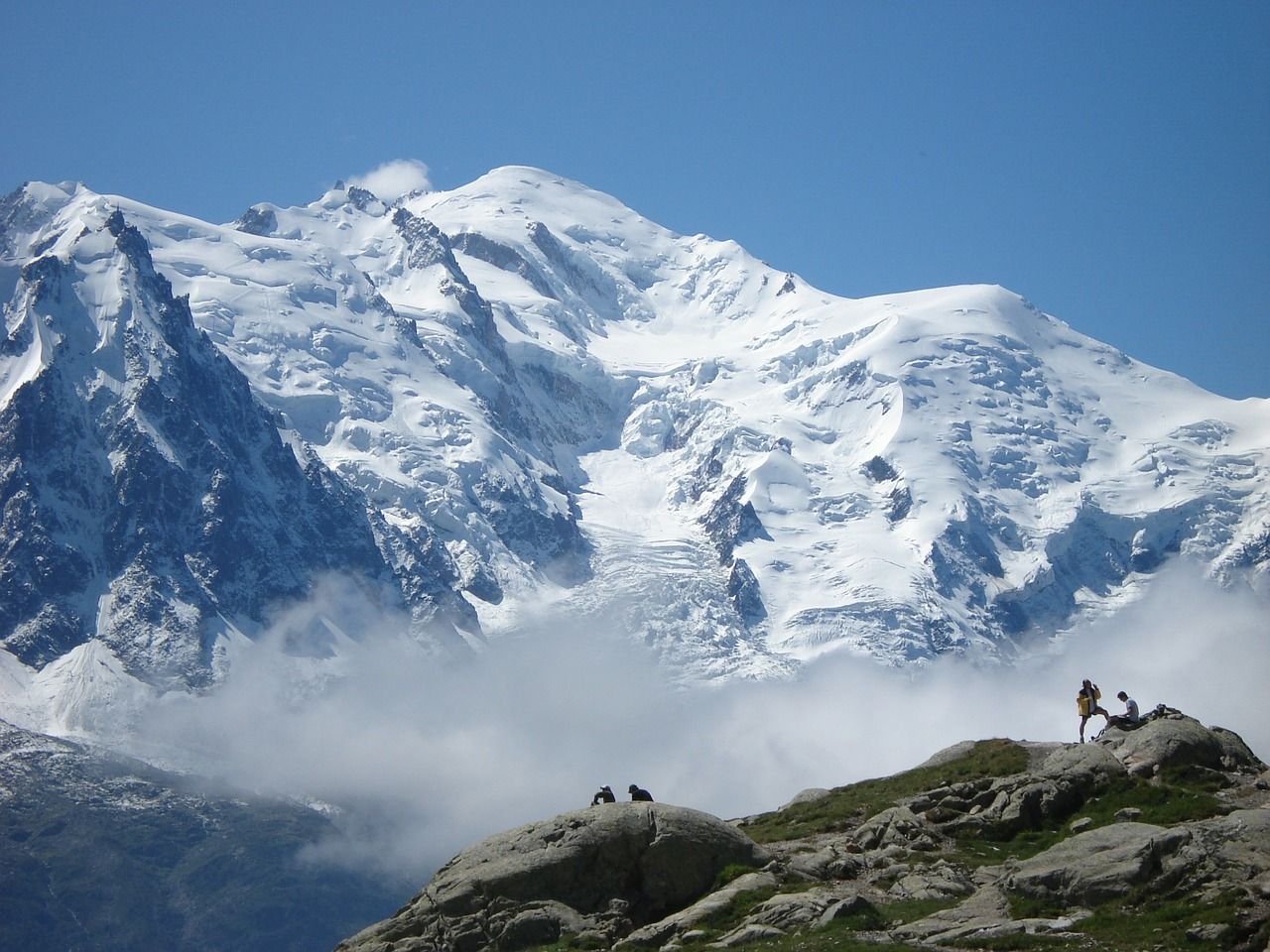
The highest range of the Carpathians — a compact alpine world of granite spires, glacial lakes, and deep valleys, home to bears, wolves, lynx, and the rare Tatra chamois.
What makes it marvelous
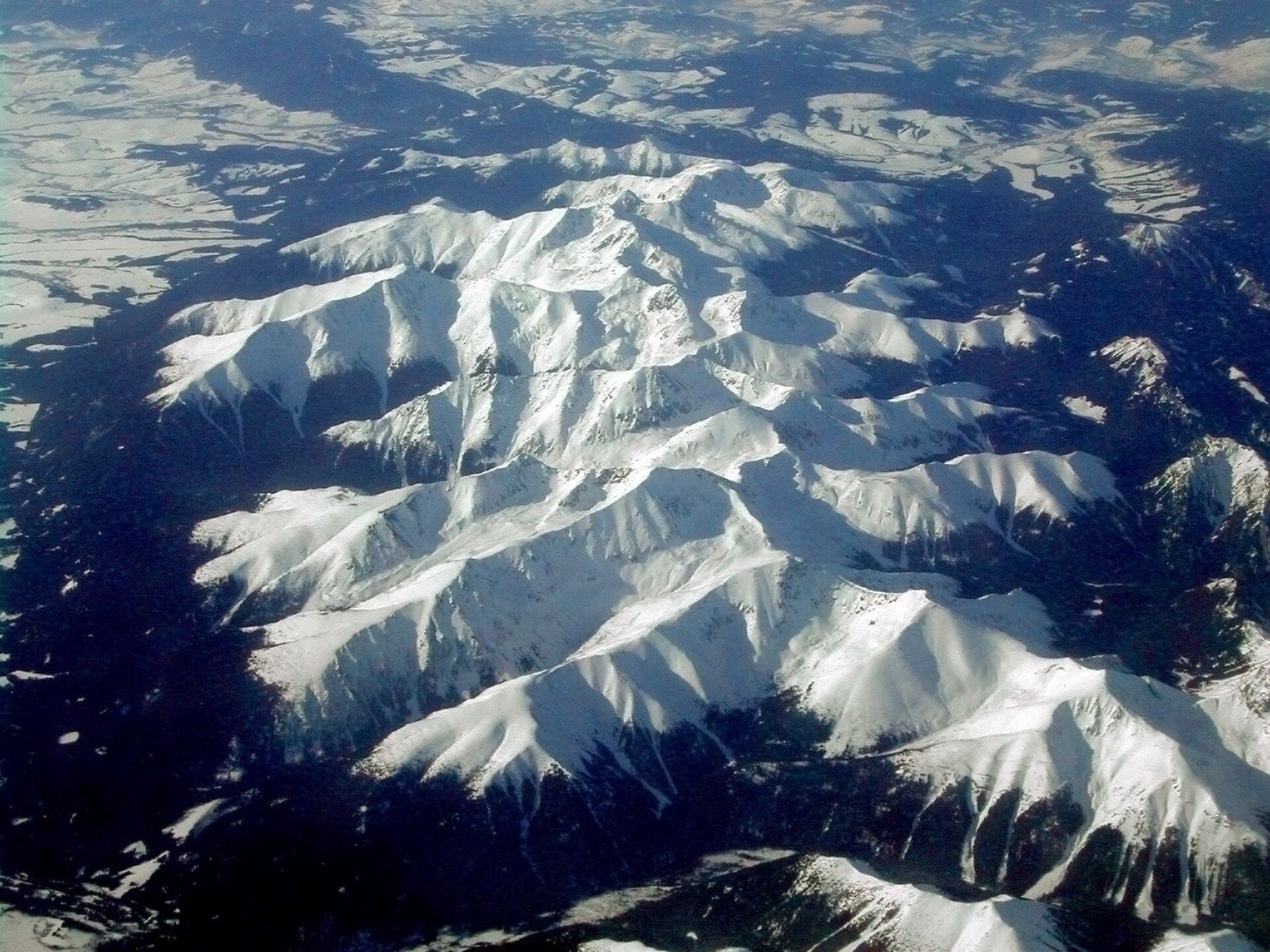
The Tatras are a geological surprise: a genuinely alpine range of sharp granite peaks, cirques, and glacial lakes packed into a remarkably small area — barely 50 kilometres end to end — rising abruptly from the rolling Carpathian foothills along the Polish–Slovak border. Ice Age glaciers did the sculpting, leaving knife-edged ridges, hanging valleys, and dozens of cold, clear tarns, among them Morskie Oko, a deep lake cradled beneath sheer walls and widely considered one of the loveliest in Europe. Because they stand isolated from the Alps, the Tatras evolved their own species, including the Tatra chamois and Tatra marmot, found nowhere else, and their forests still shelter a full complement of European large carnivores: brown bear, wolf, and lynx. Protected as national parks on both sides of the border, they form a UNESCO Biosphere Reserve.
Why visit
Hiking to a glacial lake beneath granite walls, with a real chance of spotting chamois — in a compact, affordable range with an excellent hut network — makes the Tatras one of Europe's most rewarding and underrated mountain destinations.
What to know before you go
🗓️ Best time
Summer and early autumn (roughly June–September) for snow-free trails and open huts; winter brings excellent ski touring but avalanche risk and closed high routes.
🧭 Getting there & access
On the Polish–Slovak border, reached from Zakopane (Poland) or Poprad/Štrbské Pleso (Slovakia); a dense network of marked trails and mountain huts serves walkers, with cable cars to some ridges.
Good to know
- Hike to Morskie Oko early — it's the most popular trail in the range.
- Book mountain huts ahead in summer; they fill quickly.
- Stick to marked trails; the high ridges are exposed and weather turns fast.
Plan your visit
Moderate🧭 Getting there
From Zakopane, Poland
- Drive or bus Kraków → Zakopane — roughly 2h–2h30
- Transfer to the trailheads: Palenica Białczańska for Morskie Oko, or the Kuźnice cable car
- Walk the road-and-trail to Morskie Oko — roughly 2h each way on foot
- Total travel
- Around two hours from Kraków to Zakopane
- Time at site
- A day per valley or peak
- Access
- The Polish High Tatras sit in a national park (TPN) with a small entry fee at the trailheads. The classic outing, the walk in to the Morskie Oko lake, is on a paved road closed to private cars — you walk it, or take a horse-drawn cart part of the way. The mountains make sudden, violent afternoon storms with lightning that has killed hikers on the exposed ridges, so start early and be off the high ground by early afternoon. Kasprowy Wierch has a cable car for a quicker taste of the heights. Winter brings real avalanche risk.
🎒 What to bring & consider
- An early start and a hard turnaround time, because the Tatras brew ferocious afternoon thunderstorms and the exposed ridges are lethal in lightning
- Layers and waterproofs for fast-changing mountain weather, cold and wet even in summer up high
- Boots with grip for rocky trails, chains on the steeper sections, and snow that lingers into early summer
- A small entry fee in cash at the park gate, and the choice of walking or a horse cart for the Morskie Oko road
- Winter mountaineering skills and avalanche awareness if you come in the snow season — this is serious terrain then
👁️ What to expect
- Crowds
- The Morskie Oko road and the cable car are very busy in summer and at weekends. High trails thin out.
- Conditions
- Alpine and changeable, with easy valley walking and genuinely serious high routes.
- Facilities
- Full in Zakopane, plus mountain huts (schroniska) serving food on the main routes.
- The view
- The green lake of Morskie Oko ringed by peaks, best in the morning before the crowds and the afternoon cloud. The reflection needs a still, early hour.
Times and requirements are approximate and change with season, weather, and local rules — confirm permits, fares, and schedules with operators before you travel.
Natural riches of the area
- The highest peaks of the Carpathians in a compact alpine range
- Glacial lakes (tarns) including Morskie Oko, and carved cirques
- Endemic Tatra chamois and Tatra marmot
- Intact populations of brown bear, wolf, and lynx
Local food
- Oscypek
- A smoked sheep's-milk cheese from the Polish highlands, often grilled.
- Żurek & bigos
- Sour rye soup and hunter's stew, hearty Polish mountain fare.
- Highlander lamb & potato dishes
- Traditional Góral cooking of the Tatra foothills.
The Tatras are a genuine surprise: a fully alpine range of sharp granite peaks, cirques, and glacial lakes compressed into barely fifty kilometres, rising abruptly from the gentle Carpathian foothills on the Polish–Slovak border. Ice Age glaciers did the carving, leaving knife-edged ridges, hanging valleys, and dozens of cold, clear tarns — loveliest among them Morskie Oko, cradled beneath sheer walls and often called one of the most beautiful lakes in Europe.
Because the range stands isolated from the Alps, life here went its own way: the Tatra chamois and Tatra marmot exist nowhere else on Earth. And unlike much of western Europe, these forests still hold the full set of large carnivores — brown bear, wolf, and lynx. Protected as national parks on both sides of the border and designated a UNESCO Biosphere Reserve, the Tatras offer superb hiking and a dense hut network, and remain one of Europe’s most underrated mountain ranges.
Tatra Mountains: common questions
How do you get to Tatra Mountains?
From Zakopane, Poland: Drive or bus Kraków → Zakopane — roughly 2h–2h30; Transfer to the trailheads: Palenica Białczańska for Morskie Oko, or the Kuźnice cable car; Walk the road-and-trail to Morskie Oko — roughly 2h each way on foot. Allow Around two hours from Kraków to Zakopane.
When is the best time to visit Tatra Mountains?
Summer and early autumn (roughly June–September) for snow-free trails and open huts; winter brings excellent ski touring but avalanche risk and closed high routes.
How long should you spend at Tatra Mountains?
A day per valley or peak. Around two hours from Kraków to Zakopane of travel from Zakopane, Poland.
What should you bring to Tatra Mountains?
An early start and a hard turnaround time, because the Tatras brew ferocious afternoon thunderstorms and the exposed ridges are lethal in lightning Layers and waterproofs for fast-changing mountain weather, cold and wet even in summer up high Boots with grip for rocky trails, chains on the steeper sections, and snow that lingers into early summer A small entry fee in cash at the park gate, and the choice of walking or a horse cart for the Morskie Oko road Winter mountaineering skills and avalanche awareness if you come in the snow season — this is serious terrain then
Do you need a permit or guide for Tatra Mountains?
The Polish High Tatras sit in a national park (TPN) with a small entry fee at the trailheads. The classic outing, the walk in to the Morskie Oko lake, is on a paved road closed to private cars — you walk it, or take a horse-drawn cart part of the way. The mountains make sudden, violent afternoon storms with lightning that has killed hikers on the exposed ridges, so start early and be off the high ground by early afternoon. Kasprowy Wierch has a cable car for a quicker taste of the heights. Winter brings real avalanche risk.
Is Tatra Mountains crowded, and what are conditions like?
The Morskie Oko road and the cable car are very busy in summer and at weekends. High trails thin out. Alpine and changeable, with easy valley walking and genuinely serious high routes. Facilities: full in Zakopane, plus mountain huts (schroniska) serving food on the main routes.
Added Updated
More wonders to explore